Expanded bluetongue testing as UK cases continue to climb
An important bluetongue update for keepers of livestock, as additional laboratory capacity should help improve disease testing results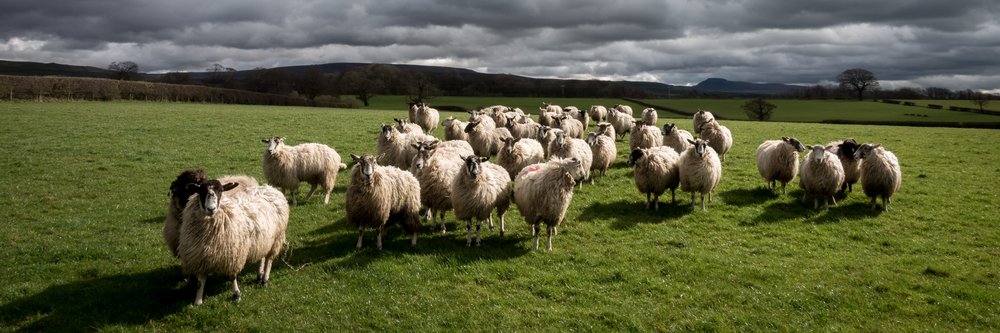
There are a number of key points for farms and livestock keepers to be aware of in light of the latest bluetongue outbreak. At the time of writing:
- There have now been 670 confirmed cases of bluetongue serotype 3 (BTV-3) in the UK during the 2026-27 season. A large proportion of cases are in the south west of England.
- The Animal and Plant Health Agency (APHA) has expanded bluetongue testing capacity by conducting testing at its Weybridge laboratory alongside the Pirbright Institute.
- The additional capacity should help improve turnaround times for test results as case numbers continue to rise.
- Livestock keepers are encouraged to speak to their vet about vaccination and review their disease prevention measures.
- Bluetongue is a notifiable disease, and any suspected cases must be reported immediately.
Members are encouraged to contact their regional CLA team if they encounter any issues regarding bluetongue, including vaccination or testing. We are keen to hear about any aspects of the diagnosis and reporting process that are not working as intended, as this feedback helps us identify and raise potential concerns.
Farmers are being urged to remain vigilant and speak to their vet about vaccination as bluetongue cases continue to increase across the UK.
Increased testing capacity
The Animal and Plant Health Agency (APHA) is an executive agency of Defra that also works on behalf of the Scottish and Welsh Governments. As of 25 August 2026, APHA announced that bluetongue testing is now also being carried out at its Weybridge laboratory, working alongside the National Reference Laboratory for bluetongue at the Pirbright Institute. The move is intended to increase testing capacity and help speed up the processing of samples as the number of suspected and confirmed cases continues to grow.
The CLA is aware that some members have experienced delays in receiving test results in recent weeks, and this additional testing capacity should help improve turnaround times. Members submitting samples can clearly state the purpose of the test, such as whether it is required for pre-movement testing or another regulatory requirement.
Latest figures
According to the latest government figures, there have been 670 confirmed cases of bluetongue serotype 3 (BTV-3) in the UK during the 2026-27 season. A case is defined as a premises on which at least one bluetongue positive animal has been diagnosed. Most cases remain concentrated in the south west of England, although infections have also been confirmed in Wales and Scotland. APHA have released a map of all the cases: Bluetongue Cases and Zones.
The rise in cases follows a period of hot and humid weather, which creates favourable conditions for the biting midges that transmit the virus. Livestock keepers should continue to monitor their animals carefully, assess the risks to their businesses and review the measures they have in place to reduce disease spread.
Vaccinations
As the CLA has previously highlighted, vaccination remains one of the most effective tools available to help protect susceptible livestock and reduce the impact of BTV-3. While reports of vaccine shortages have emerged in some areas, industry bodies continue to encourage farmers and land managers to discuss vaccination options with their vets and plan ahead where possible.
The importance of vaccination is reflected in the experience of other countries. The Netherlands recorded thousands of bluetongue cases during the 2023 and 2024 seasons but reported no detected cases in 2025. This has been linked to increased immunity within the livestock population as well as a widespread vaccination programme.
Notifiable disease
Bluetongue remains a notifiable disease and any suspicion of infection must be reported immediately. Early reporting is essential to support disease surveillance, help limit further spread and ensure the livestock sector has the most accurate picture of the disease's progression. As cases continue to rise, vigilance remains critical.
There are currently just under 2,500 potential cases of bluetongue under investigation in Great Britain.
Report a suspected cases of bluetongue to:
England: Defra Rural Services Helpline, 03000 200 301
Wales: APHA, 0300 303 8268