Bluetongue warning as cases continue to rise
Farmers have been urged to remain vigilant as recent government figures show increasing bluetongue cases - the majority concentrated in the South West of England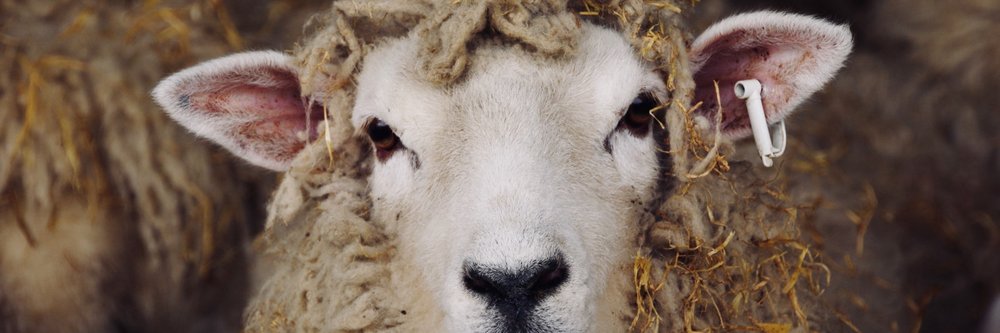
The number of bluetongue cases continues to rise with recent government figures showing the majority of confirmed cases this season have been concentrated in the South West, particularly in Devon, Cornwall and Somerset.
We know many members are already dealing with the impact of the disease in their sheep and cattle, with significant animal welfare concerns and financial consequences for their businesses.
The recent spell of hot, dry weather has created favourable conditions for the biting midges that spread bluetongue, increasing the risk of further cases. Livestock keepers are being encouraged to review their disease prevention measures, speak to their vet about vaccination and assess the risks to their business. Vaccination remains one of the most effective tools available to help protect susceptible livestock against BTV-3 and reduce the impact of the disease.
Ann Maidment, CLA Director South West, said:
"The rise in bluetongue cases, particularly across the South West, is a major concern for livestock farmers and we know many members are already experiencing the significant welfare, emotional and financial impacts the disease can bring."
While there is no single solution, vaccination remains one of the strongest defences available against BTV-3. We would encourage all livestock keepers to speak to their vet about the options for their flock or herd and ensure they have a clear plan in place
"Alongside vaccination, close monitoring of stock, sensible movement decisions and practical steps to reduce exposure to biting midges can all play an important role in reducing risk. The situation is evolving rapidly and it is vital that farmers remain vigilant, report any suspected cases promptly and make use of the latest guidance and support available.”
Members can keep up to date with the latest situation and view the interactive case map through the official Defra and APHA guidance.
Practical steps farmers can take now
Warm weather has brought increased midge activity, and experts are encouraging farmers to act before the disease reaches their holding.
Farmers have been advised to take the following measures:
- Speak to your vet about vaccination options and whether vaccination is appropriate for your herd or flock, particularly breeding stock, youngstock and higher-value animals. Vaccination remains one of the strongest available defences against BTV-3. AHDB offer both vaccination cost calculators for sheep, beef, and dairy as well as a vaccine decision-making tool to allow farmers to understand their personal risk and better protect their businesses.
- Monitor livestock closely for signs such as fever, lameness, drooling, mouth or nose ulcers, facial swelling, eye discharge, reduced milk yield, abortions, stillbirths or weak newborn animals.
- Review livestock movements and avoid unnecessary mixing of animals where possible.
- Reduce exposure to biting midges by avoiding wet, sheltered grazing areas where practical, especially during dawn and dusk when midge activity is often highest.
- Consider housing vulnerable animals during periods of peak midge activity.
- Use insecticides or repellents only as advised by your vet and ensure any products used are appropriately licensed.
Remember: Bluetongue is notifiable
Bluetongue is a notifiable animal disease. If you suspect bluetongue in your livestock, you must report it immediately - failure to report cases is an offence. Early reporting also helps build an accurate picture of disease spread and supports efforts to protect the wider livestock sector.
Report a suspected case of bluetongue:
- England: Defra Rural Services Helpline, 03000 200 301
- Wales: 0300 303 8268
Further support
We recognise that disease outbreaks can place significant pressure on farming businesses and families. Members who would benefit from emotional or practical support can contact the Farming Community Network (FCN), RABI or other farming support charities for confidential help and advice. Further contacts are available here.
The CLA continues to monitor developments closely. We will keep members informed as the situation develops.
AHDB also held a webinar last week covering the latest bluetongue situation, clinical signs, vaccination and practical disease management measures. You can watch this webinar here.