182-day rule review: CLA Cymru calls for 105-day threshold and workable exemptions
CLA Cymru is urging Welsh Government to use its latest review of holiday let taxation to deliver meaningful reform for genuine self-catering businesses, including reducing the 182-day letting threshold to 105 days.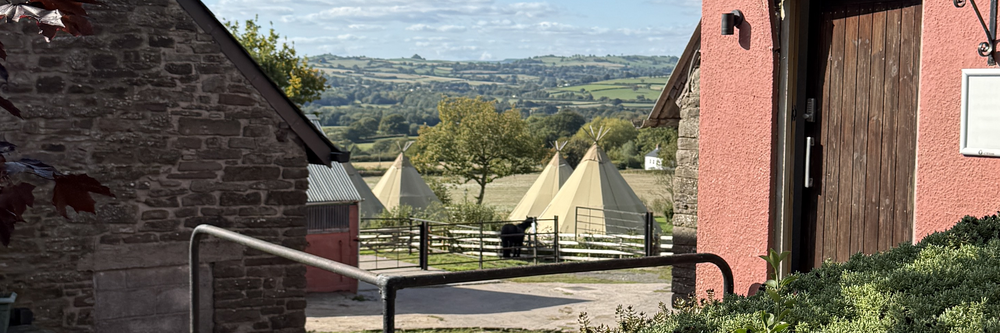
Since April 2023, self-catering accommodation has generally been required to be available for commercial letting for at least 252 days and meet an actual letting requirement of 182 days to qualify for non-domestic classification. Changes introduced in April 2026 provide some additional flexibility through multi-year averaging. Welsh Government is now reviewing whether the 182-day threshold is set at the right level and is consulting on five proposed exemptions for properties which could not reasonably serve as permanent homes, including properties forming part of a wider business, large multi-unit properties, accommodation subject to relevant planning restrictions, properties within the curtilage of an owner’s home and properties on a farm. The consultation closes on 23 October 2026.
CLA Cymru has consistently argued that 182 days is too high and that the actual letting requirement should be reduced to 105 days. Occupancy levels can be affected by seasonality, location, property size, visitor demand and changing booking patterns, all of which can have a particular impact on rural businesses. Welsh Government’s own previous consultation findings recorded concerns from operators in inland rural locations, larger properties and businesses affected by fluctuations in visitor demand. A more proportionate threshold would better reflect the realities faced by genuine self-catering businesses while maintaining a clear commercial letting requirement.
The proposed exemptions are therefore just as important as the threshold itself. CLA Cymru will be pressing for them to work in practice for genuine rural businesses, including farm diversification, accommodation which is legally restricted from becoming a permanent home, and properties which are physically or commercially integrated with a wider enterprise. The detail will matter: an exemption which is too narrowly drafted could exclude genuine businesses simply because of their ownership structure, planning history or the way the wider business operates. We will also continue to press for greater certainty and consistency in the administration of the system.
This review should not, however, be considered in isolation. Tourism businesses in Wales are adapting to a series of tax, regulatory and policy changes at the same time. CLA Cymru wants Welsh Government to take a joined-up view of tourism policy and its cumulative impact, recognising the role that self-catering accommodation and farm diversification play in supporting rural businesses, local employment and the wider visitor economy. A sustainable approach to tourism should give genuine businesses the confidence to invest and grow while addressing legitimate concerns around housing and community sustainability.
Help shape CLA Cymru’s response. If you have been affected by the 182-day rule, reclassification or its administration, or if your accommodation forms part of a farm, wider business or multi-unit enterprise, sits within the curtilage of your home, or is subject to a planning restriction, your experience could help strengthen CLA Cymru’s response. If you have a case or experience you would be willing to share, please get in touch with the CLA Cymru team.