From Soho to Surrey
CLA member John James is applying expertise from a career in high-end real estate to his farm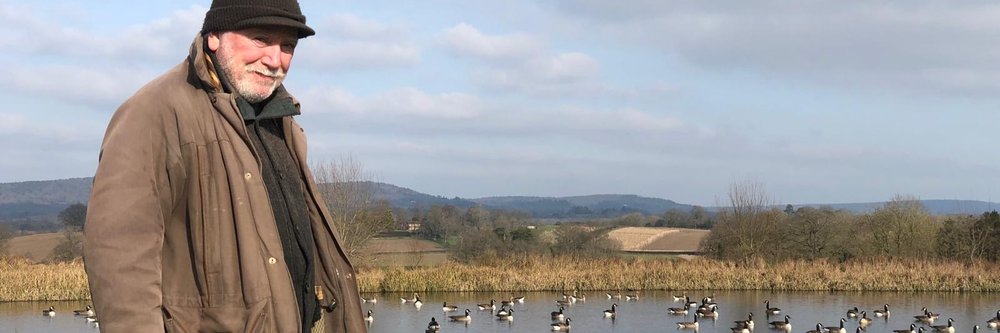
Renovating properties in the heart of Soho and trying to give derelict farm buildings a new lease of life might sound worlds apart, but both face a common barrier – the planning system.
John James has experience of navigating both. He has spent nearly 40 years at Soho Estates, a family-owned real estate business covering a significant part of the West End in London, and in 2011 bought a farm in Surrey.
Soho Estates manages and redevelops prime commercial and residential properties, with a portfolio including units leased to restaurants, bars, clubs, hotels, theatres, retailers, flats and offices, with a focus on restoring and enhancing the area while honouring its legacy.
It is these developments that have posed a challenge with planning. Mr James says: “Planning rules, as well as licensing and rates, are thwarting businesses.
“We invested £200m renovating the Foyles bookshop site, supporting thousands of jobs, but it took five years of planning.
“I doubt we’d be able to do it again now. Why would people invest? We need to repeal a lot of the red tape.
“Soho is a conservation area and we support the need to work in sympathy with heritage, but it can’t over-ride practical use.”
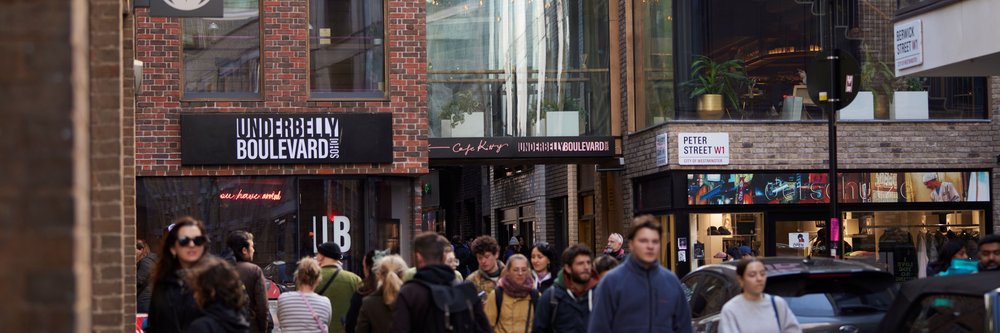
Soho Estates was founded by Paul Raymond and is now run by the James family, who are continuing his work through projects like Ilona Rose House and restoring buildings such as Dean Street Townhouse.
Mr Raymond, who became known as the ‘King of Soho’, founded the Raymond Revuebar in the 1950s, offering burlesque entertainment, and expanded into publishing and property in the 1960s and 1970s.
After Mr Raymond died in 2008, Soho Estates bought a further portfolio of nine West End properties, totalling one acre of land, including the Foyles bookshop on Charing Cross Road.
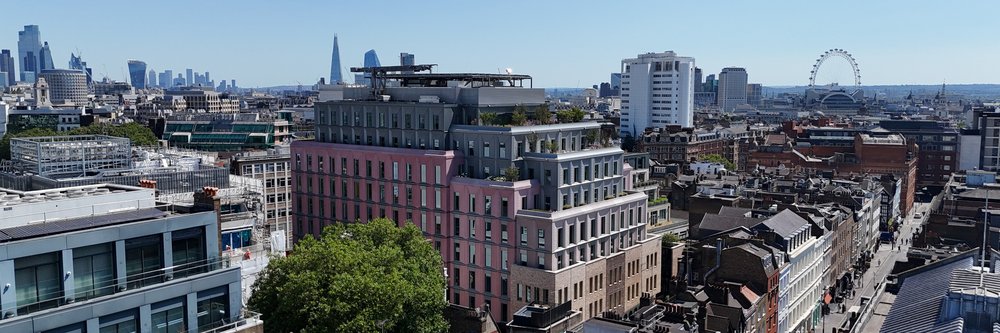
In 2013 planning permission was granted to redevelop Walker's Court, incorporating new retail and office space. Three years later it won permission to build Ilona Rose House on the site of the former Foyles bookshop and adjacent properties. Arranged across nine floors plus four basement levels, the scheme was 10 years in the making and provided office space plus shops, restaurants, bars, and affordable apartments to rent.
Then in 2017 Soho Estates completed the redevelopment of Kettner’s Townhouse and the original Soho House members' club. The project involved the refurbishment and restoration of 15 Georgian townhouses, including 11 listed buildings.
Covid then had a big impact on Soho Estates. It worked with its tenants and Westminster City Council to provide al fresco dining, enabling key areas of the hospitality industry to remain open. This effort led to the formation of the Soho Business Alliance, to help local businesses act collectively.
Mr James was CEO of Soho Estates before handing over to daughter Fawn in April 2025, and remains on the board as a non-executive director. He says: “Covid changed people’s habits.
“Venues can still look busy but people aren’t staying out as late, and they’re spending fewer days in town due to working from home. Costs for businesses are rising all the time, and it’s harder to make money.
“Rates need to be overhauled entirely and should be detached from property values, and licensing laws can be so restrictive and there’s a lack of appeal process.”
Farming has also brought Mr James into close quarters with the planning system.
Since buying the farm, he has renovated the main house, planted more than 3,000 trees and added extra plots to create a 1,300-acre holding, which he has ambitious plans for.
Mr James, whose grandfather was a farmer and butcher in Cumbria, says: “We grow wheat, but don’t make money on that, and I want to diversify.
“Our application to convert an old barn into a house has been turned down, we’re going to appeal but it will cost a lot of money, and I’d like to convert some old buildings into a rural office complex.
“The Arundel and Wey Canal runs through my farms, it’s dry and abandoned in parts, and my vision is to convert a house into a hotel and create a bit of a cultural hub by the canal.
“We’d need a change of use and licensing, but there’s a real lack of accommodation round here and it would help people enjoy the countryside.
“I’d like to support the canal trust and put a new path and cycle path in, and provide a cultural and heritage uplift.”
The CLA has long campaigned for planning reform to help unlock rural economic growth, and Mr James echoed this sentiment.
He says: “The world feels at a pause, and the planning system is designed to say ‘no’ to things, it feels so lethargic. Permitted development rights are OK, but need to be expanded.
“The land is valuable and I don’t just want to build houses on it.”