Why the village shops and pubs still matter
Hear from CLA members who are securing the future of rural communities by keeping village pubs and shops alive
Village shops and local pubs are at the heart of village life, yet the latest figures show that around two pubs were closing each day at the start of the year, amid pressure from higher taxes and regulatory costs (see box on opposite page). But the loss of pubs goes much deeper, with the British Beer and Pub Association warning that closures also affect those who are part of the supply chain, including the farmers, brewers and other industries that make up the sector’s wider ecosystem.
Closure of village shops is also affecting rural communities. Data uncovered by Freedom of Information requests and compiled by the CLA has shown that thousands of village shops have closed. As we have pointed out, local businesses don’t just take jobs with them when they fold – they take prosperity, identity and the quiet bonds that hold a place together.
Rural leaders bucking the national trend
So how are CLA members working to buck the trend? Those involved in keeping rural shops and pubs alive have an overarching sense of custodianship.
One of these is Badminton Estate, which proudly re-opened two much-loved community assets earlier this year. Edward Holloway, Head of Rural and Property at the estate, says that both the shop and pub are crucial in supporting those living around the villages of Badminton and Acton Turville.
The Fox and Hounds pub has been at the heart of the latter village for many generations, and its acquisition is part of the estate’s 15-year vision to restore community spaces and regenerate rural enterprise.
“As an estate, we are committed to protecting valued rural enterprises,” says Edward. “By supporting local businesses and services, we aim to create thriving communities where people can live, work, learn and play. Our investments in community services are part of a vision to enable rural communities and businesses to flourish.”
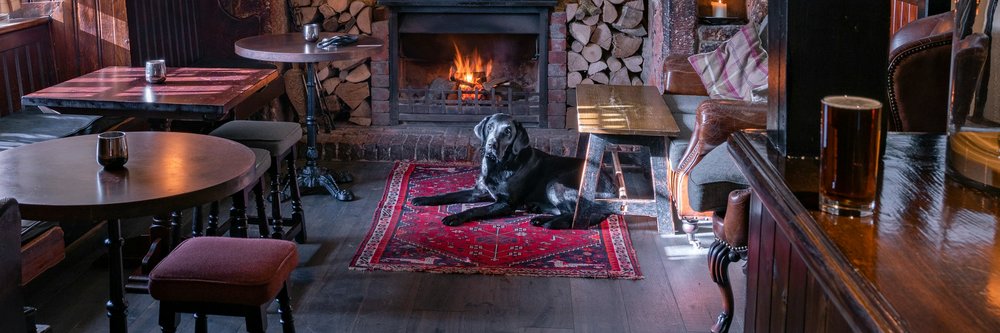
Village pubs like The Fox and Hounds are essential to rural life. They are more than just places to eat and drink. They serve as social hubs where communities come together. They help build connections and strengthen local identity
The return of the village shop, Badminton Stores, was another significant moment for the community, restoring a convenient and familiar service that residents had greatly missed after it closed. Sensing the importance of the shop to those who used it, it was added to the estate’s retail portfolio.
“Refurbishing the high street village shop helps keep the village active, connected and resilient,” says Edward. “It has been designed to offer more than just everyday essentials – it provides a welcoming space where neighbours can meet, connect and feel part of a thriving community.”
A community treasure
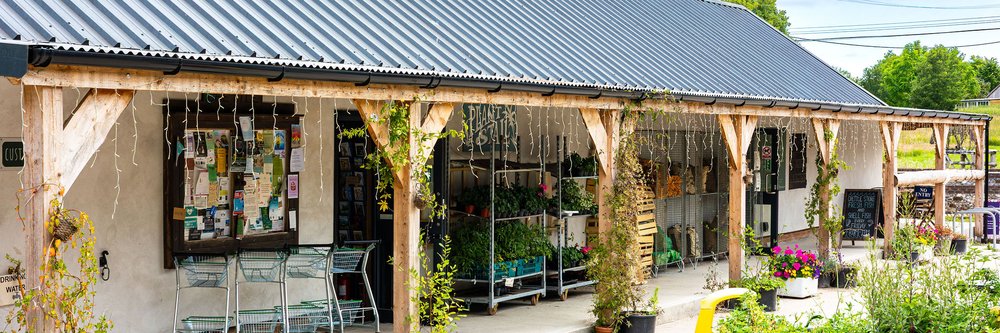
Nestled in the heart of Dorset, Chettle Village Store is more than just a shop – it’s a community treasure. There has been a shop in in the village for as long as any resident can remember, with records showing purchases from before the Second World War. Alice Favre, who runs Chettle Estate, describes it as a ‘lifeline’ for many people in the village, which is 20 minutes’ drive from larger towns.
“It’s very important for Chettle and its residents to have access to a local shop,” she explains. “In many villages people only walk down the road when walking their dog, but the shop means there are people walking around all day, rather than leaving in their car to commute to work, go to the supermarket and then park their car in the drive and go in the house, never seeing any of their fellow community.
“The shop is incredibly sociable. It was a lifeline for my father after my mother died, his only human contact except me. He used to go down about eight times a day!”
Today it sells local organic fruit and vegetables, as well as meat and cheese, alcohol, refills, ethical gifts and fish. “When I took over, the shop was making an annual loss, but this was covered by the estate as my mother wanted to keep it open,” says Alice. “She knew how important a shop is to keep a village alive. It’s not been without its challenges, but generally it’s been really positive.
Combining services under one roof
Sir Henry Elwes is another CLA member who cares deeply about his community. He describes himself as the ‘caretaker’ of the village of Colesbourne, Gloucestershire.
“I’ve seen a lot of villages where you can’t find anybody to ask where the village hall is on a week day because the village is empty,” he says. “A village shop and post office are vital to a community. That’s very true here in Colesbourne. I closed the village shop and moved the shop business and the post office into the filling station, so we now have them all in one – it makes a much better business. I took the view that the only way they could survive would be to join together. It was a good move.”
Sir Henry also owns The Colesbourne Inn, a traditional coaching inn dating back to 1827, which is leased to a brewery. “While many pubs are closing, the landlords run it very well, and survived through the Covid pandemic, which is very clever,” says Henry. “But they knew how to do it. It’s an important part of the village and we would never sell it, or it might be turned into a house.”
The stats: British pubs under threat