Making diversification work: lessons from six successful rural businesses
Broadening your income streams makes good commercial sense, but there can be pitfalls. We hear from six CLA members with thriving diversified businesses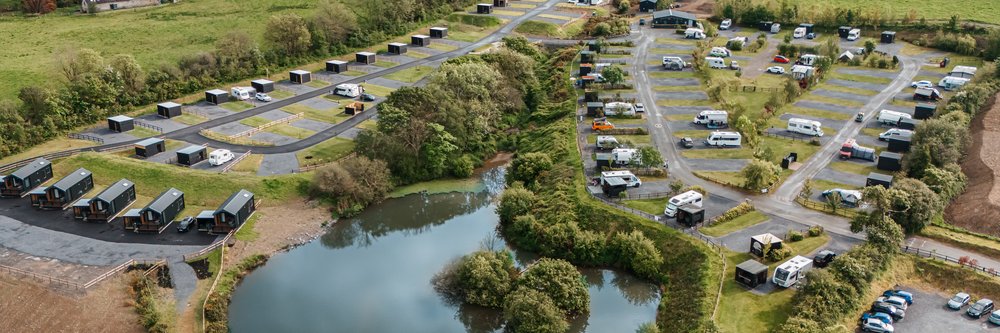
Farming is arguably in the midst of some of its most challenging times. Brexit, changes to inheritance tax (IHT), the removal of the Basic Payment Scheme, the halting of the SFI scheme and extreme weather patterns are just a few of the difficulties currently being faced. The only certainty among the uncertainty is the need to strengthen income streams to make farm and estate businesses more sustainable and capable of growth.
Figures released by Defra earlier this year have revealed that more than 72 per cent of farming businesses have some form of diversified activity, with 17 per cent of farmers planning new diversification projects in the next five years and 40 per cent of those who have already diversified planning to expand further.
The most popular diversification activity is letting out buildings for non-agricultural use, followed by moves into solar and renewable energy. Tourism and retail ventures, such as campsites, glamping pods, farm shops, vending machines and catering, are also popular.
The appetite for broadening income streams is growing, with the list of possibilities getting longer. In this article we meet six CLA members who have taken very different steps into the fi eld of diversification.
Longacre
The Addison family – Janet, Johnny and daughters Emma and Sally – run a wedding venue and holiday accommodation alongside their 330-acre beef and sheep farm in King’s Meaburn, Cumbria.
What was your biggest diversification challenge?
Emma: Planning and highways permission was a problem, but the big thing is finance. Before we even started building there were a lot of expenses to cover, such as architects, consultants and the planning process. Being thrown in at the deep end, running a bar with no experience and becoming a wedding planner is also something we have learned.
What do you consider your biggest success?
The venue becoming a social hub, especially as our village pub is empty. We advertised a curry night and ended up with 90 people. There is definitely an appetite in rural areas for something social. We also have a music festival every year, over three days, with local bands. As well as weddings, we are trying to do things for the community.
What is the best piece of advice you would give?
Try and get something niche, different and something you are passionate about. Spend money wisely when you are starting off and get the best professional help you can.
Sorelle
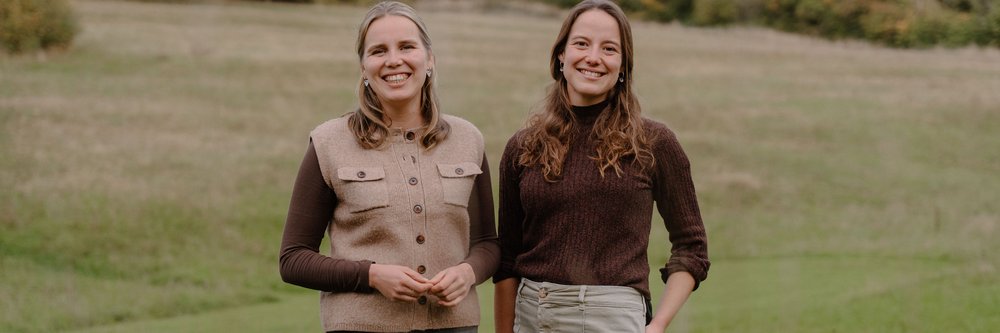
Sisters Natalie and Matilda Bourchier turned Bittles Brook Farm in Shaftesbury, Dorset into a flower farm and cafe with events, yoga, sauna and glamping.
With the 35 acres they considered “too big to do nothing with, but too small to farm effectively”, they saw an opportunity to grow flowers, with the cafe and well-being following. Today, Sorelle is thriving, its beautiful offering loved by locals and visitors. But, as with many businesses, there was initially a challenge to win some people over.
“There was concern about what the cafe would do to village life,” says Natalie. “Since opening, the community realised we are not a threat, or trying to take business from the village shop.”
The biggest challenge at first was taking on too much too soon, and today it remains the time, money and maintenance needed to keep “everything looking beautiful”.
Natalie and Matilda are constantly trying to find the right balance between looking after the business and the land, and they welcome the shift in attitudes to diversification.
“There was a stigma, or feeling of shame, you have not been able to make it work and can’t function as a farm,” says Natalie. “When we were younger we didn’t think there was a way to make a career for ourselves here, but now diversification is more acceptable.”
Moody Meadows
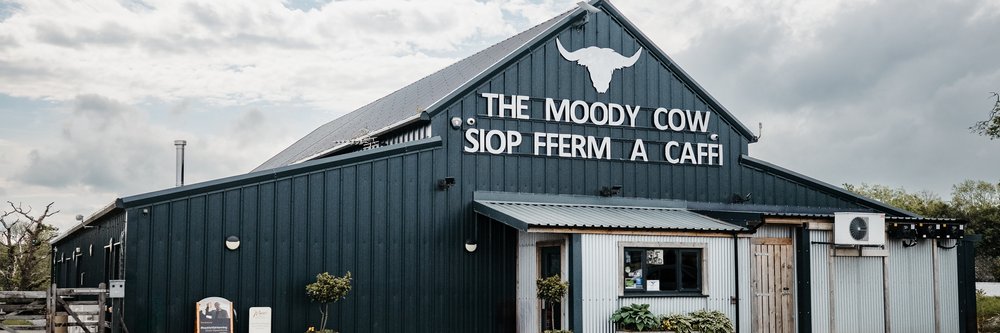
Geraint Thomas has added a caravan site, lodges, accommodation, indoor soft play and trampolining, farm shop and bistro to Bargoed Farm in Ceredigion, West Wales, with a £25m water park being the latest project.
A Farming Connect business mentor, Geraint’s first tip for those diversifying is to listen to what people want.
“Everything we do is led by demand,” he says. “Young families staying at the caravan park asked, ‘What is there to do with children when it’s pouring with rain?’ That is when the play barn came about. The next thing people asked for is pools. We consulted locally and far and wide, and this is what they were looking for.”
Second, research how to run it. “The cost of everything, such as energy, is so tremendous,” says Geraint. “I have done a huge amount of research into forms of renewable energy and we are more or less off-grid.”
Third, he says, don’t be afraid to ask for advice. “Talk to people who have done it. Eighty per cent of businesses fail in the first five years. Be savvy about what you are doing, do it to the best of your ability and seek whatever advice you can.” And finally, location. “Get that right and you are halfway there.”
BeWILDerwood
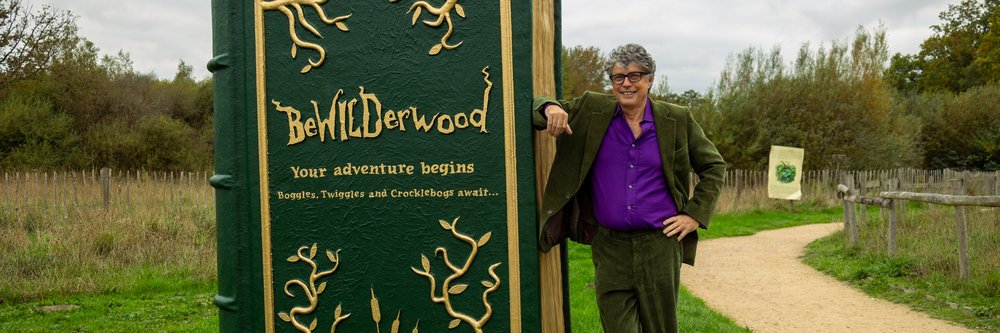
Children’s author Tom Blofeld created BeWILDerwood, a family adventure park based on his books, on his 1,500-acre estate in Norfolk.
What would you say to anyone considering a diversification project?
Tom: It comes from my heart. If you do something like this, do it as a passion. It is a lottery as to whether you will understand whether you have got it right, but if it goes wrong you need to understand how to fix it. You also need to create something people want to pay for.
Has diversification paid off?
We used to try and run the estate with just farming but it didn’t pay enough. I don’t consider myself a farmer. I am BeWILDerwood with a smaller farm attached. BeWILDerwood is the driver.
What do you like and dislike the most about the diversification?
I love the creative side, writing and publishing. I dislike man-management and HR. If you are doing it, you need the right skillset, or a general manager with that skillset.
Is there anything you would change?
I regret it is not indoor play and weatherproof. The weather has changed – three years ago it rained for the entire year and that has an impact on customers.
Field Head Farm
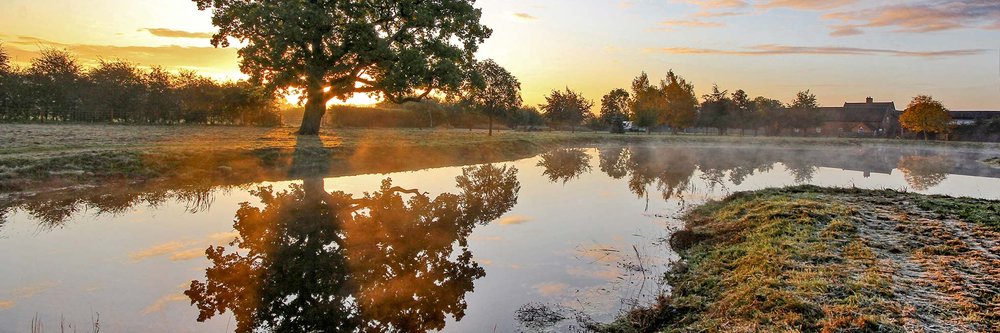
Anna and Mick Brookes offer glamping and event space at Field Head Farm in Staffordshire, as well as open water swimming on their own lake.
What was the biggest challenge at the outset?
Anna: How to run it safely from scratch. Our insurance were happy for people to swim if they had a safety briefing. We didn’t feel this was enough, as the effects of cold, deep water can be very dangerous.
How did you overcome it?
We became an affiliated Venue of the National Open Water Coaching Association, set up to make open-water swimming safer and more accessible. They provide a booking system, lots of support and education, and every swimmer with a wristband. Swimmers check in and out so we know how many people are in the water at any one time and have, should we need it, access to their medical information. Lifeguards are always in attendance and all staff are first aid trained.
What do you consider the biggest success?
So many people are experiencing stress, grief, personal worries, physical and mental health issues and the benefits of cold water swimming can really help you manage those. The most wonderful community has been created since we opened and the Apres swim social has become as valuable as the swimming.
It’s important to us that open-water swimming is accessible to as many people as possible and we have provided private swim sessions for groups overcoming addiction, mental health support groups, young adults with educational needs and more. To see how fabulous they feel is what makes it all worthwhile for us.
Coverwood Farm
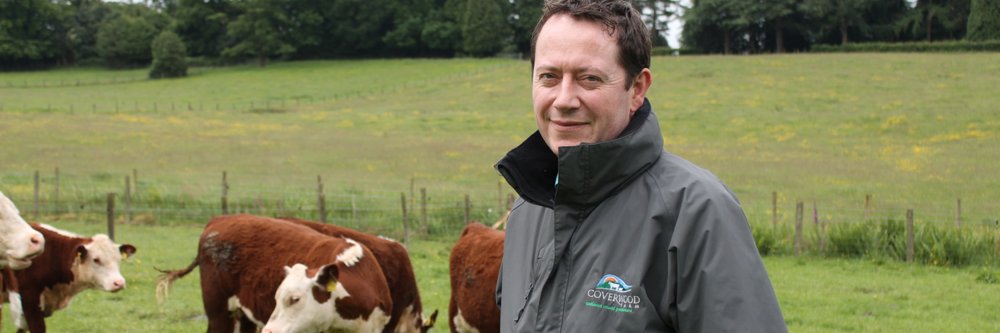
Tim Metson runs the family farm in Cranleigh, Surrey with its own pedigree herd of Herefords, alongside holiday cottages, catering and enduro cycling events.
Variety is key, Tim says, and he isn’t afraid to stop a venture if it no longer works. For example, he used to host opera concerts, but stopped due to competition from the National Trust and Royal Horticultural Society.
“A diverse income stream is helpful as some go quiet over winter,” Tim says. “It is nice to get a balance.”
Planning and legal costs are one of the biggest hurdles, he adds, having withdrawn a scheme for glamping pods. “We could build them for £30,000 but as we got to the final stage, the council decided we would be liable for a Community Infrastructure Levy and would have to pay a further £60,000, so we had to pull the plug.
“If you are trying to support the rural economy this is an issue. If the planning permission costs £100,000, is it really worth it?”
His top tip for anyone looking to diversify? “If you have a passion for it, you have a good chance of making it work. Don’t be afraid to talk to people who have been there and done it.”