How exactly do member views shape CLA policy?
Using our consultation response on trail hunting as an example, the CLA’s Claire Wright offers a behind-the-scenes look at how your feedback directly influences our policy position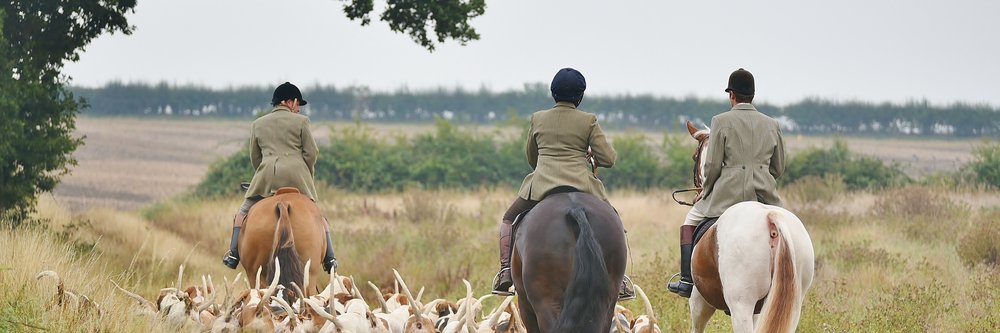
The CLA responds to a number of consultations each year, but how do we source feedback from members to establish our policy position and then develop an impactful response within the government timeframe?
One of the most recent consultations we worked on concerned the government’s proposal to ban trail hunting.
The first step is to review the consultation documents and assess whether the issue will affect our members. If it does, we consider the resources needed to respond appropriately. We then balance this against our wider policy priorities as not every consultation is relevant and in need of a reply.
If we do decide to respond on behalf of members, the next stage is to seek their views on the key questions. This usually involves presenting a paper to our national committees, made up of active CLA members, to test opinion. If time allows, we may also discuss the issue at branch committee level.
The government’s trail hunting consultation
The committees involved in a response will depend on the subject matter and on committee timetables. If no suitable committee is due to meet, we may, in exceptional circumstances, seek views from members by email. In the case of trail hunting though, the paper was considered by the CLA’s Agriculture & Land Use Committee and the Legal, Parliamentary & Property Rights Committee.
We were struck by the strength of feeling expressed by members on the potential ban. There was overwhelming support for the CLA to oppose further restrictions on trail hunting. Members were also concerned about the potential impact on the rural economy, which they believe could be significant. In addition, they highlighted that proposed secondary offences could adversely affect landowner interests*, and that restricting the use of animal-based scents could have unintended consequences for environmental management.
Based on this feedback, we drafted our thorough consultation response, addressing 28 of the 29 questions. The draft was reviewed by the Chief Legal Adviser and the Director of Policy & Advice before being submitted to Defra before the 18 June deadline. We now await the government’s response with the hope that member concerns are heard before any final decisions are made.
* The proposed secondary offences would make it an offence for a landowner or occupier to knowingly allow another person to engage in trail hunting on their land. They would also make it an offence for a person responsible for a dog to knowingly allow it to be used for trail hunting.
