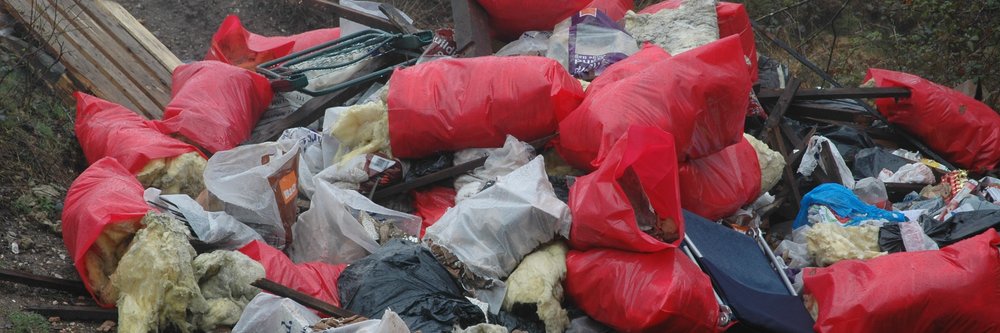
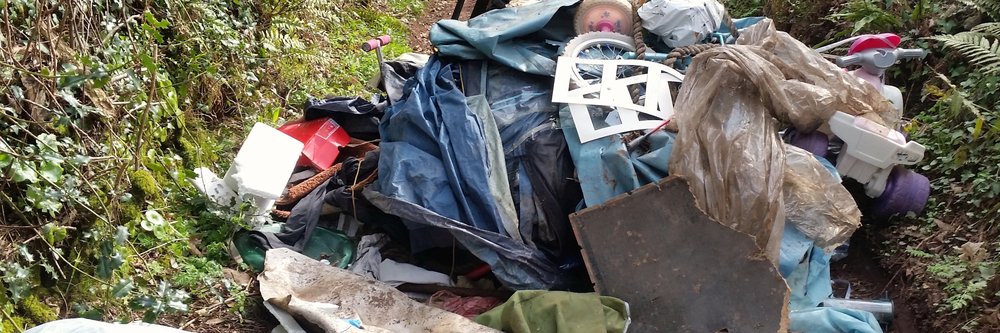
Colin Rayner, whose family farm in Berkshire, Buckinghamshire and Surrey, said: “We have been experiencing ongoing fly-tipping every week, highlighting the persistent nature of the problem and the need for urgent action.
“Fly-tipping is out of control in the countryside. We wake up to loads of rubbish in the field or farm gateways. From car tyres to household waste, hazardous waste is often found.
“Our public footpaths that cross our fields are another source of unsightly littering. Our verges are used to dump garden waste and abandon white goods and even dead dogs.
“We just clear up the fly-tipping waste and bear the high disposal costs at the registered landfill site, which significantly impact our farm's finances. My team must litter pick the footpaths weekly, adding to our ongoing expenses.”
Cambridgeshire farmer George Hurrell said: “Fly-tipping is a constant problem for us with waste frequently dumped in our fields and gateways. We get everything from washing machines, mattresses and builders’ rubble to large scale processed waste.
“Not only is it a hazard for people and wildlife, but we also incur significant costs in having to clear the fly-tipping on our land. If we don’t remove it, we face being prosecuted. How can it be a fair to have a system that punishes those who are victim of a crime?”
James Guernsey, of the Packington Estate in Warwickshire, said: “Fly-tipping continues to place a growing strain on private landowners across the country, as we are left responsible for clearing the waste that is dumped illegally on our land.
“We, as landowners are guardians and play an important role in protecting the environment for all to enjoy, but the current system is broken, allowing criminal gangs to dump waste all over the countryside with little to no enforcement.
“This frequently leaves us bearing the financial and practical burden of clearing potentially hazardous waste weekly. We need greater support, clearer accountability and stronger enforcement to ensure this blight on the rural environment is stopped.”
A spokesperson for Colesbourne Estate in Gloucestershire said: “We have experienced regular fly-tipping for several years, but we have suffered particularly over the last few months. Since November we have had three lorry loads of cannabis waste – mostly soil and roots – as well as household waste tipped on our land. This isn’t just small amounts – it’s been 75 bags each time.
“We’ve also had three lots of old motor tyres discarded, which were taken into the far end of the fields. Again, this was between 50 and 60 tyres dumped on each occasion. There’s also been a lot of building waste, particularly plaster board, which gets dumped because skip hire companies will no longer take this, and a large amount of damaged plastic car body work.
“It costs a lot of money for us to clear it up each time. The problem is aggravated because you need an appointment to go to the local authority recycling centres and they are closed for longer periods during the winter months. The long, dry period last summer made it easier for lorries to get on the field. We aren’t always able to put barriers in gateways where access is frequently needed to stop people from gaining getting on the fields."
Francis Fitzherbert-Brockholes from Claughton Hall in Lancashire said: “Our most recent fly-tipping incident was a trailer load of old roofing timbers dumped in a gateway. It took one of our estate workers and I – with the aid of a JCB Load – about three hours to remove and dispose of the rubbish properly.
“These fly-tipping figures barely scratch the surface of a crime that’s blighting rural communities, with incidents on private land going unrecorded on a mass scale. We are calling for local authorities to help clear fly-tipping incidents on private as well as public land, while the various enforcement agencies must be properly trained and resourced.”
Beilby Forbes Adam from Escrick Park in North Yorkshire said: “We usually experience between 20 and 30 fly-tipping incidents per year, which, aside from being an annoyance, is costly to clear up. It ranges from trailer loads of garden waste to van-loads of rubble and rubbish from house renovations to smaller loads gas canisters and tyres.
“Our team at Escrick Park collects fly-tipped materials, and once a skip is filled, we would pay for the disposal of it. Fly-tipping is particularly frequent on Skipwith Common, a National Nature Reserve.
“With the current government increasing the Landfill Tax Standard Rate by 26% and the Lower Rate by 162% since entering power, an unfortunate byproduct of the policy is that fly-tipping in the countryside will only increase.
“Ministers should look urgently at making it easier for councils to crack down by meting out proper penalties for convicted fly-tippers and providing funding for them to take on the responsibility of clearing up fly-tipping.”
Ralph Rayner, a landowner in Devon, says he experiences at least one incident of fly-tipping every month, ranging from household, garden and builders waste to white goods. He says it often results in hours of work for two people to clear away as well as the cost of security and recycling.
He said: “Illegal dumping has worsened dramatically following tighter recycling rules, which have effectively shifted the burden onto private landowners. No one accepts injustice lightly, yet entirely innocent victims are now routinely held responsible for the actions of criminals.
“Many landowners will recognise the indignity of receiving a threatening letter from their local authority warning them of prosecution for ‘unlicensed waste storage’, when in fact they are the victims of illegal dumping on their own land. Unfortunately, the law and its enforcement remain poorly aligned.
“At the very least, landowners should be permitted to load dumped waste into a trailer and take it to recycling centres free of charge. Yet this proposal is dismissed on the grounds that it might encourage farmers and landowners to dispose of their own waste there. Until government makes a genuine effort to work with landowners and develop practical solutions, fly-tipping will only continue to increase.”