Devolution must deliver for the countryside – not leave it behind, report warns
A new parliamentary report, backed by the CLA, sets out how fair funding and stronger rural representation can unlock the countryside’s economic potential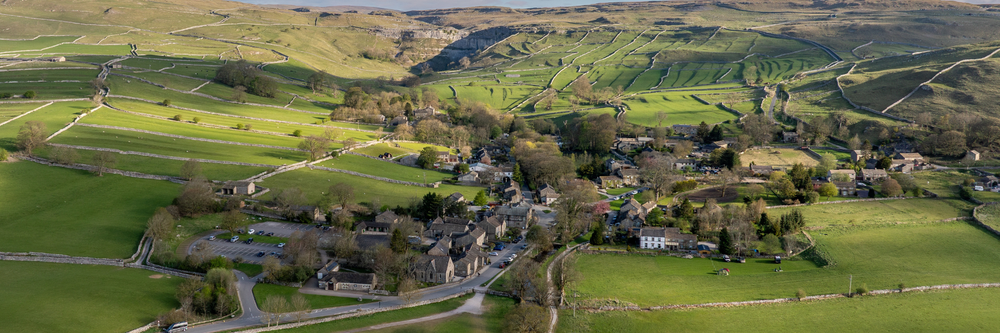
Devolution has the potential to bring decisions closer to the people and places they affect. But unless rural needs are built into the system from the outset, communities across the countryside risk being left behind.
That is the clear warning from Devolution and Its Impact on Rural Areas, a new report from the All-Party Parliamentary Group (APPG) for Rural Business and the Rural Powerhouse. Supported by the CLA and chaired by Horsham MP John Milne, the inquiry makes 21 recommendations designed to ensure rural businesses and communities have a meaningful voice as powers and investment move away from Westminster.
The rural growth opportunity
Rural England is full of enterprise, talent and ambition. Yet productivity in majority-rural local authority areas is around 8% below the England average. The report estimates that closing this gap could add £22.5bn to the national economy.
Realising that opportunity will take more than new governance structures. Rural places need fair resources, sufficient local capacity and genuine influence over the decisions that shape their economies.
A funding gap that cannot be ignored
The evidence shows how far the current system is from a level playing field. Rural Services Network analysis of the 2026–27 local government finance settlement found that urban councils are set to receive around 32% more government-funded spending power per head than rural councils.
Under the current Fair Funding model, rural councils are projected to see their spending power rise by just 2% by 2029–30, compared with 20% for urban councils. This matters because delivering services across dispersed communities often costs more, while limited capacity can make it harder for councils to engage with and benefit from emerging strategic authorities.
Devolution could be a huge opportunity for rural communities, but only if it is designed with them in mind from the start. Rural areas cannot be expected to compete on a level playing field when their councils face greater costs in delivering services, and risk being overlooked as powers are devolved
Putting rural needs into the foundations
The report argues that rural proofing should become a statutory requirement rather than an afterthought. It recommends that this requirement is supported by mandatory rural impact assessments and a dedicated Rural Commissioner. The report also calls for Rural Business Boards within combined authorities, stronger district-level representation and reforms to funding formulas, including the reinstatement of remoteness adjustments to reflect the true cost of delivering rural services.
On housing and infrastructure, the APPG recommends a comprehensive rural housing strategy, stronger planning capacity and long-term funding for delivery partners, alongside an integrated framework to coordinate infrastructure and essential services. It also calls for Community Land Trusts to be supported, nature recovery to be treated as critical national infrastructure and Local Nature Recovery Strategies (LNRSs) to be better coordinated across administrative boundaries.
The report further recommends giving mayors stronger powers to bring together utilities and national agencies, with a consistent set of core powers across England while retaining flexibility for rural and coastal areas.
A chance to do things differently
The CLA supports devolution in principle, but our the message is simple: devolution will only succeed if rural businesses are involved directly in shaping local priorities. Mayors and local authorities will have significant influence over transport, planning, housing, skills, land use and growth. They must use those powers to support the whole economy – not only towns and cities.
“As devolution is rolled out, government must ensure the rural voice is heard, and communities are not left behind,” says CLA President Gavin Lane.
As this report sets out, getting devolution right for rural areas is fundamental to closing the £22.5bn productivity gap, unlocking billions of pounds of economic growth and creating a thriving countryside
“Rural businesses are tired of being overlooked and must not be expected to fit into a model designed around the needs of cities. Devolution is an opportunity to do things differently and put rural communities and businesses at the heart of local decision-making.”
“Mayors and local authorities will have real powers to shape the future of their economies, but they must avoid repeating the mistakes made by national government for years. They need to work directly with rural businesses on transport, planning, housing, skills, land use and growth, ensuring these new powers deliver for the whole economy – not just our towns and cities.”
Devolution – and its companion Local Government Reorganisation (LGR) where councils are being merged, created, or abolished – can often delve into the theoretical and the occasionally downright confusing, rather than the practical. As the mayoral model is eventually rolled out, there are practical examples to look at like the Mayor of York and North Yorkshire David Skaith on how mayors can use their powers well – such as prioritising affordable rural homes, linking farms to local public sector supply chains, and eradicating digital and mobile blackspots. The CLA’s lobbying is increasingly moving away from a preoccupation with Westminster and towards encouraging mayors to follow examples like Skaith's.
What are APPGs?
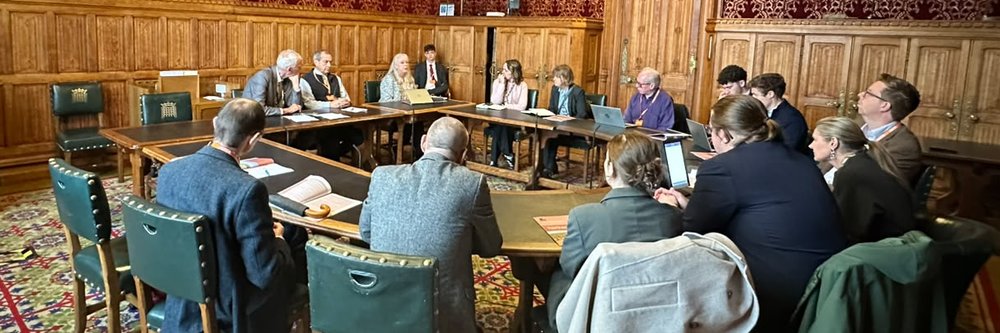
The CLA provides support to the All Party Parliamentary Group (APPG) for Rural Business and the Rural Powerhouse. APPGs are informal, cross-party groups bring together MPs, peers, and experts to focus on a specific issue and produce policy reports to influence government thinking
There are APPGs on everything from the BBC to council tax reform. In the Punch-and-Judy style of politics we often see on TV, APPGs provide a refreshing way for MPs and Peers to work together regardless of what political colour they represent.
We are pleased to play an active role in this policy debate on devolution and help secure an important change to the legislation this year. The CLA worked closely with MPs, peers and partners such as the Royal Town Planning Institute to get ‘rural affairs’ into the Devolution Act. Mayors and local leaders now have to consider the needs of rural areas in decision-making.