A new chapter for beaver reintroduction in England
Discover how a family of Eurasian beavers released in Bedfordshire is marking a big step in the species’ reintroduction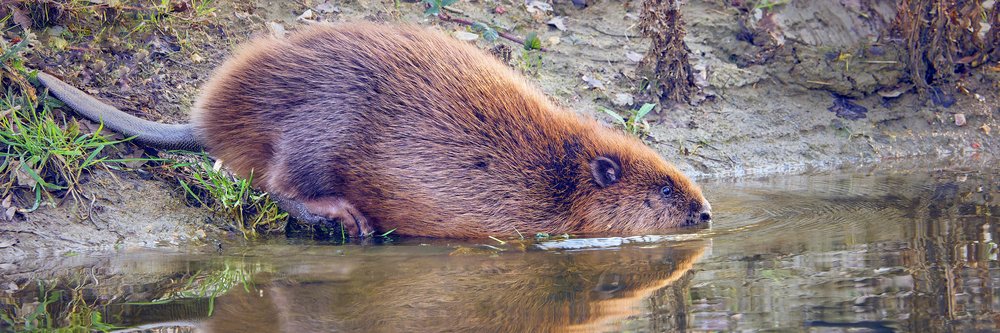
Absent from our landscapes for more than 400 years, having been hunted to extinction, beavers are now being carefully re-introduced to areas of the UK. Following a 2025 Defra ruling that made wild release beaver licences available, there has been a steady increase in beaver re-introduction projects.
Conservationists believe these industrious animals can restore wetlands and tackle the effects of climate change. Others are concerned about the damage that beavers can do to infrastructure and the increased risk of flooding. However, one thing is certain: with Natural England now able to issue wild release licences, the return of beavers will become a test for modern conservation and traditional land management.
Overcoming the issues of a dry county
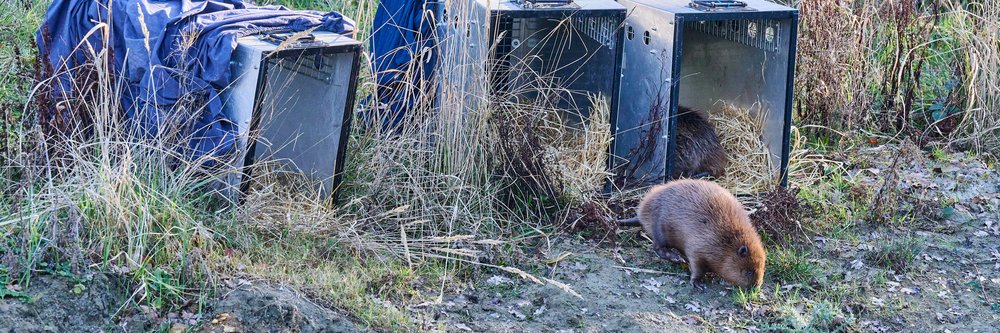
Joining that test is the Southill Estate, Bedfordshire, where, following two years of careful preparation, licensing and habitat creation, a family of Eurasian beavers has been successfully released into a purpose-built enclosure.
The release took place in two stages. First, an adult male and two kits from Scotland were introduced to the enclosure. A few days later, the family was completed with an adult female, who had spent 14 months at Wildwood Trust being rehabilitated and carefully prepared for independent living.
Estate owner Charles Whitbread, at the helm of Southill for 20 years, is continuing a family legacy spanning more than 230 years – but he wants to use the land differently. The mixed estate has 3,000 acres of farming and 1,000 acres of woodland, as well as cottages and other commercial ventures. Charles wants to boost biodiversity and restore nature while farming productively. As the climate becomes more unpredictable – including drought conditions – this is getting harder.
“The move towards introducing beavers to the estate at Southill started as a way to overcome issues with Bedfordshire being a dry county,” he says. “There is very little surface water there and ponds have disappeared due to the county’s farming becoming primarily arable rather than livestock. There isn’t the same need to have water sources for livestock.”
Part of what they are doing is digging a lot more ponds, he adds – and not just for beavers. “We want areas of surface water all year around, and within 500 metres of each other, to allow for migration of amphibians.”
Beavers’ dam-building activity can do a lot of this work, creating mosaics of wetland habitat, pools and channels, as well as habitats and ecosystems for invertebrates, other mammals and birds.
“One of the little things I have noticed already is 12 ducklings in the beaver pond,” Charles says. “If we had not done that, they would not have been there. The beavers will go and do other things which will be really beneficial.”
Willow planting and rewiggling
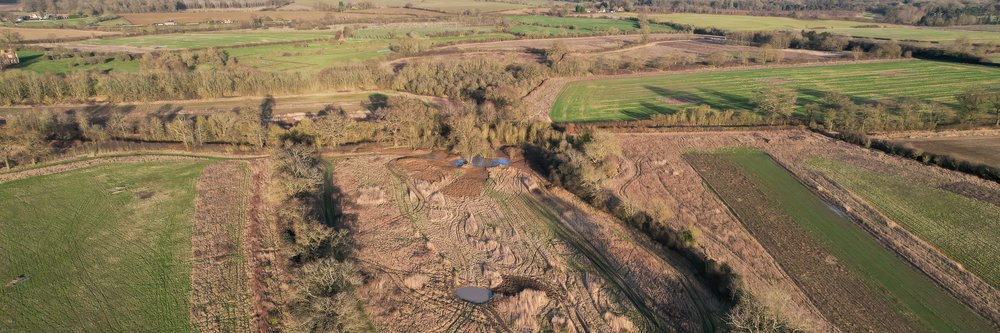
The groundwork over the past two years has been delivered by the estate team, led by Paul Dunn, who have worked alongside The Beaver Trust and a range of specialist contractors. This work included the construction of a securely fenced enclosure, pond creation, willow planting and the rewiggling of an existing ditch to restore more natural hydrological flow and habitat complexity.
Southill will be monitoring the environmental and nature changes, logging the data quantified by specialist nature restoration company Restore and made possible through biodiversity net gain credits.
However, the project hasn’t been without challenges, including government legislation changes over enclosed and wild beaver releases, as well as potential opposition.
There is still perhaps a divided opinion over re-introduction and release of beavers after so long. However, there is a lot more science-driven data about the positive outcomes for landscapes and biodiversity which beavers can help to create. Going forward, I am sure there will be positive interest from others about re-introduction
"Going forward, I am sure there will be positive interest from others about re-introduction,” says Charles.
It was a special moment when the release finally took place in early spring, he recalls. “We have worked on this for years, and it was wonderful to see them released, swimming, and it all come to fruition. They are amazing creatures when you see them.”
The CLA's view on beavers
Beavers can deliver environmental benefits, including improved water quality, natural flood management, drought resilience and increased biodiversity, as well as bringing economic benefits through ecotourism in some cases. However, they can also have serious consequences for land managers and rural businesses. Flooding of adjacent land, damage to crops, orchards, timber and valuable trees, and risks to farm infrastructure and livestock can result in real economic losses.
While some CLA members are involved in beaver projects, others are cautious or opposed – particularly where releases affect neighbouring holdings or whole catchments. The CLA supports a robust, well-governed and locally supported approach; reintroduction should be underpinned by sound evidence and meaningful consultation with affected landowners. A management framework must set out clear responsibilities for monitoring, decision-making and effective backstops in case of conflict, including licensed interventions such as translocation, where appropriate.
Land managers affected by beavers need site-specific advice and access to funding for preventing, mitigating and repairing damage. This includes upfront support for preventive measures and longer-term funding to make space for water.
Beaver Management Groups provide valuable expertise where they exist, but are not consistently established across England, creating a postcode lottery for advice and support. While two Sustainable Farming Incentive application windows are expected later this year, Countryside Stewardship Higher Tier remains invite-only, limiting access for many who are affected by beaver reintroductions.
The CLA has shared our concerns throughout our engagement with Defra and Natural England and will continue to do so as a long-term reintroduction management plan for England is developed.