FEATURE: Balancing the books
The CLA visits Hatfield Park Estate to hear about its latest regeneration project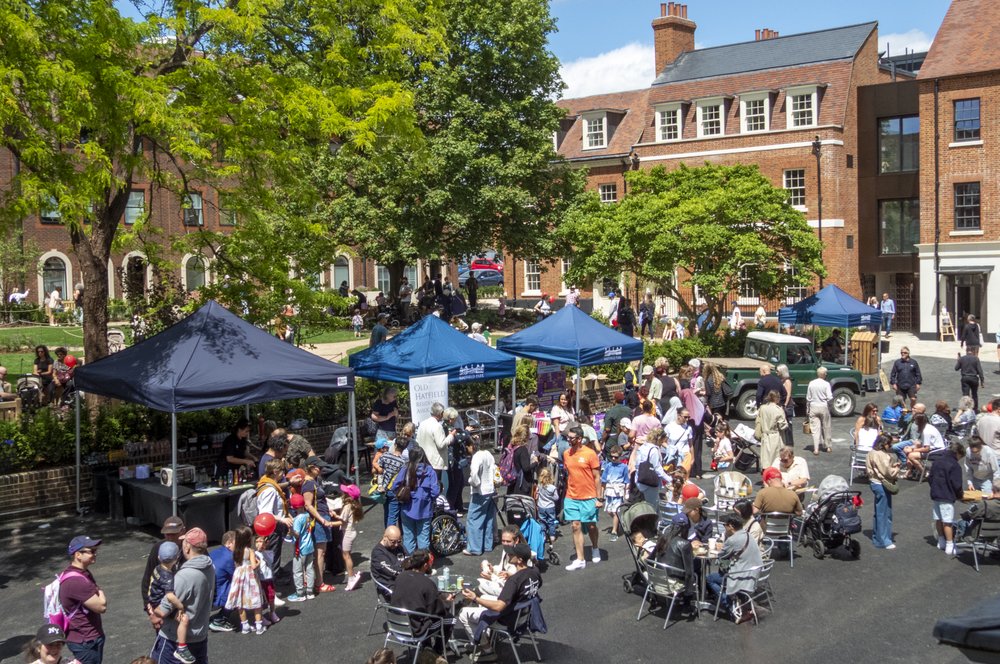
A major regeneration project that has transformed a rundown 1970s shopping precinct into modern housing and retail space is demonstrating an estate’s commitment to its community while balancing the financial needs of its business. Lee Murphy reports.
Hatfield Park Estate in Hertfordshire brings together a diverse range of businesses, residential properties, farming, forestry and environmental activities, hospitality, retail and leisure. It is one of three locations overseen by Gascoyne Estates which manage the land and property interests of the Cecil Family on behalf of the Marquess of Salisbury.
Chief Executive of Gascoyne Estates Jorge Mendonça has been responsible for the development of Salisbury Square, a new mixed-use regeneration development in Old Hatfield which forms part of the Hatfield Park property portfolio.
Salisbury Square has seen a dated 1970s shopping precinct replaced with new homes, commercial space and a landscaped public square. The project follows several significant developments across Hatfield, including the redevelopment of the local train station and a new multi-storey car park, plus the transformation of other once-neglected areas in the town into vibrant spaces.
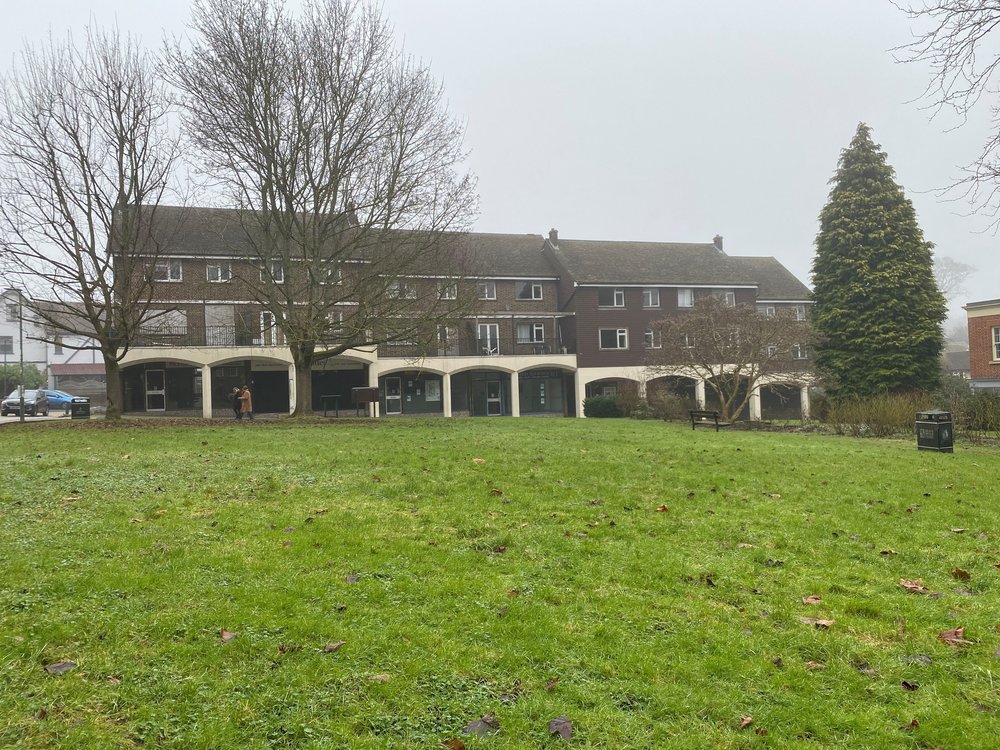
But the decision to proceed with the Salisbury Square development was not an easy one. Considerations had to balance the benefits from an estate and community perspective against the significant financial investment required.
It was at a community workshop, known as a charrette, in 2008 where the estate met with local groups to discuss where improvements could be made to Old Hatfield. It was here that the run-down shopping precinct was identified as poorly serving the needs of the town.
“It was from that charrette that the estate went away and designed what Salisbury Square could look like,” says Jorge Mendonça. “But that was where the project stayed for many years. Mainly because it was unaffordable and we weren't capable of delivering it, without making a loss on day one.”
Rather than abandon the project, Gascoyne Estates decided to redesign and reappraise the plans until the proposals could be delivered to approximately break-even, while retaining the objectives that had justified it in the first place.
The scope of the project was changed early on, budgets and contingencies were carefully managed, and Gascoyne Estates worked collaboratively with contractor Boom Construction to control costs without progressively weakening the original design intent.
“We stuck to our design code and our pattern book because quality is the thing that matters most in these developments. But we did make some changes,” says Jorge.
“The original plans were more heavily weighted to residential properties. It's much more expensive to deliver these as it means more kitchens, more bathrooms and more fit-out costs. So we made some changes there, along with other smaller engineering decisions.”
Jorge says the project was a balancing act: “We had to balance the commitment we had made to the community while also considering the project from a business perspective.
“In these circumstances I always look at what our purpose is, and our purpose is very clear. It is about growing lasting, social, and commercial value for the communities we serve.”
Jorge continues: “A developer would look at this project and probably not touch it as they wouldn’t turn a profit in the first five years. But, we can say, over the long term, this investment will be good for everybody. And it might yet come good commercially.”
Now complete, Salisbury Square comprises six commercial buildings, three apartments, five townhouses and a landscaped public space close to Hatfield Station and Hatfield Park.
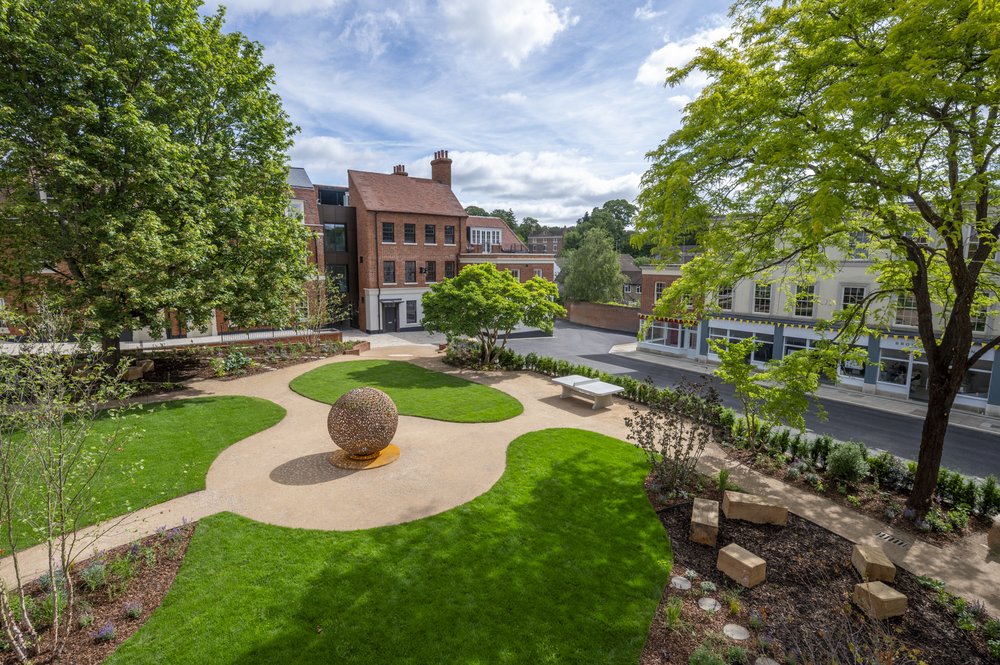
Gascoyne Estates is now focused on the long-term stewardship of the development, including selecting commercial occupiers capable of contributing positively to the wider destination.
Jorge says Salisbury Square is not a universal model for development, as not every organisation benefits from patient capital or long-term estate ownership. But he believes it raises an important question: whether successful regeneration should be judged solely through financial return at practical completion or through the value it continues to create for businesses, residents and communities over time.
“Salisbury Square is an example of how we can deliver a project and not lose money. But the social value, and our contribution to making Old Hatfield better will have benefits in so many different areas. This is something we can be proud of.”
About Gascoyne Estates
Gascoyne has three estates: in Dorset, in Hertfordshire and in central London. The Hertfordshire and Dorset estates are a mix of property, forestry and farming, and the London estate is a mixed residential and commercial portfolio largely centred around Charing Cross Road.
Hatfield Park is less than 30 minutes from London by train and is currently benefiting from major investment in new infrastructure. This makes it an attractive location for some of the UK’s leading businesses and a desirable place to live. Hatfield House, gardens and parklands are open to members of the public to enjoy throughout certain times of the year.