CLA Cymru Analysis of the Welsh election results
CLA Cymru stands ready to work with the incoming Welsh Government
Following last week’s election results, CLA Cymru stands ready to work with the incoming Welsh Government and to engage meaningfully to help the rural economy reach its full potential. Wales has seen historic political change, with Plaid Cymru winning 43 seats and becoming the largest party in Wales for the first time. Reform secured 34 seats, becoming the main opposition party.
While the Reform vote is significant, the number of seats is perhaps lower than many anticipated. Labour experienced a severe setback, returning just nine seats, followed by the Conservatives with seven seats, the Greens with two seats and the Liberal Democrats with one seat.
What happens next?
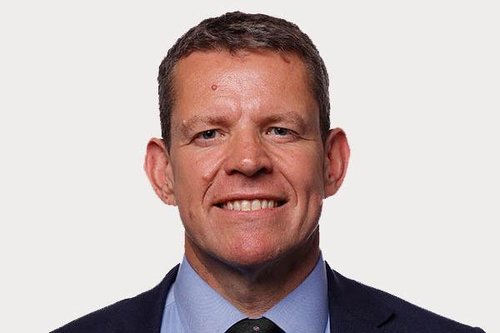
As the largest party, Plaid Cymru leader Rhun ap Iorwerth has indicated he will form a minority government, seeking cross‑party support to pass legislation in the Senedd. A vote to confirm Mr Iorwerth as First Minister is expected this week. With Labour and the Liberal Democrats signalling they will abstain, and the Green Party indicating support, he is expected to secure the highest number of votes and take office.
A new ministerial team is likely to be appointed within the next week. CLA Cymru will be monitoring these appointments closely, particularly those leading departments of greatest relevance to our members.
CLA Cymru’s plans
We have engaged closely with Plaid Cymru in recent months and will continue to build on this relationship as the party takes the reins of government. Llyr Gruffydd is expected to take on the Rural Affairs portfolio, and we have a strong history of constructive engagement with him during the previous Senedd term.
From 1 June, our new External Affairs Manager will begin developing a quarterly engagement plan with both Government and Members of the Senedd. This will ensure our members’ views are clearly communicated to those in power and in opposition as the new Senedd term begins, particularly ahead of Senedd business resuming in September.
The summer period, and the summer shows, will provide valuable opportunities to meet the new government and MSs, helping to deepen their understanding of how the rural economy operates. We will be working hard to get as many politicians as possible out on the ground visiting members’ businesses.
We have also analysed Plaid Cymru’s 100‑day plan, and we are reassured that many of the proposals align closely with our own manifesto asks and the recommendations from our inquiry into economic growth in Wales. Key proposals within the plan include:
Economy
- Establish a panel of business and economic experts to refine the remit, governance, and operating model for a new National Development Agency
- Establish a new Economic and Fiscal Commission to support the collection and analysis of Welsh economic data, and the setting of clear targets on the economy
Food, farming and rural communities
- Confirm a multi-year funding cycle instead of the current one-year Sustainable Farming Scheme payment
- Commission an independent review of the bureaucratic burden on family farms in Wales to reduce duplication and unnecessary paperwork for farmers
- Begin work on a new and comprehensive National Food Strategy that will build food security and literacy, strengthen food supply chains, and use the Welsh public plate to support our food and drink industry
- Bring forward proposals for a new statutory duty on rural proofing, to ensure that Welsh Government programmes and funding models are fully responsive to the needs of rural communities
Renewables
- Prioritise the preparation of a new National Energy Strategy, including a Renewable Energy Sector Deal and new measures to promote community-owned renewables
- Unveil plans to develop Trydan Gwyrdd Cymru into a single, strengthened national energy company
Planning and regional development
- Examine options for reducing the complexity and bureaucracy of planning processes and extending permitted development rights, including for community-led housing and household renewables
- Work with local authorities and other regional partners to develop a new National Development Framework that meets Wales’s needs, empowers local government and reduces costs, bureaucracy and duplication
Any change of government inevitably brings a period of uncertainty, but we are well placed to continue shaping the policies that matter most to our members across Wales. We will share further updates with you over the coming days and months as the new landscape becomes clearer.
