Farmers under siege as fly-tipping hits new levels in south west
Farmer's fields and country lanes are being buried under piles of waste, with new figures showing fly-tipping in England has hit record highs.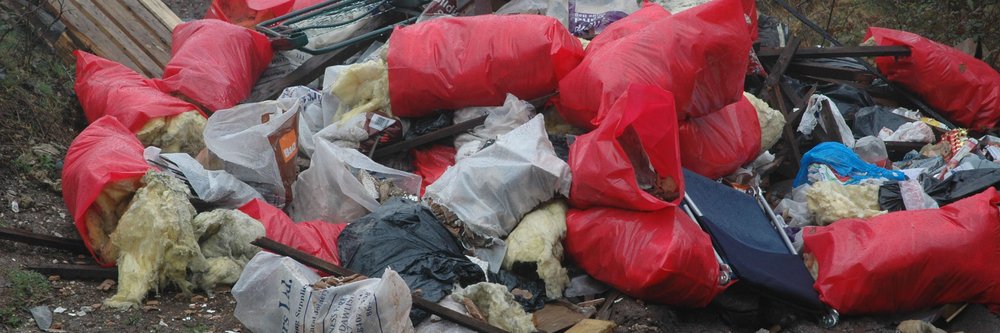
From sofas and fridges to large-scale builders’ waste, illegal dumpers are turning farmland into rubbish tips — leaving their victims paying to clear up the mess.
The latest statistics, released today by the Department for Environment Food & Rural Affairs (Defra), reveal in the South West, there were 55,349 reported incidents of fly-tipping – an increase of 8.1%. The figures for every local authority area in England can be found on the government website here.
Local authorities in rural areas experiencing an increase in reported incidents include Cornwall (26.7%), East Devon (20.7), North Somerset (13.7), Tewksbury (9.4%), Torridge (22.7%) and Wiltshire (7.7%).
Yet, the picture becomes even more bleak as the figures only account for waste illegally dumped on public land that has been reported to the authorities. Many fly-tipping incidents occur on privately-owned land, painting an even more damaging picture of the financial burden and environmental impact fly-tipping brings.
Ann Maidment, Country Land and Business Association Regional Director for the South West, said: “Fly-tipping is placing an unbearable burden on farmers and landowners across the south west. With more than 55,000 incidents recorded in just one year, and many more going unreported, this is not a minor nuisance – it is a serious rural crime often driven by organised criminal networks. Clearing up waste illegally dumped can cost private landowners thousands and thousands of pounds. The threat of action from local authorities if they don’t clear the waste away only deepens the injustice. Landowners aren’t just faced with the financial strain of removing waste they did not create but they are left to deal with the environmental damage too.
“We urgently need stronger enforcement, better resources for local authorities, and meaningful support for victims. The Government’s recent steps are welcome, but far more must be done. Rural communities deserve a system that punishes offenders, not one that makes victims pay the price. Our message is clear; rural communities have had all they can take. The countryside is not a dumping ground.”
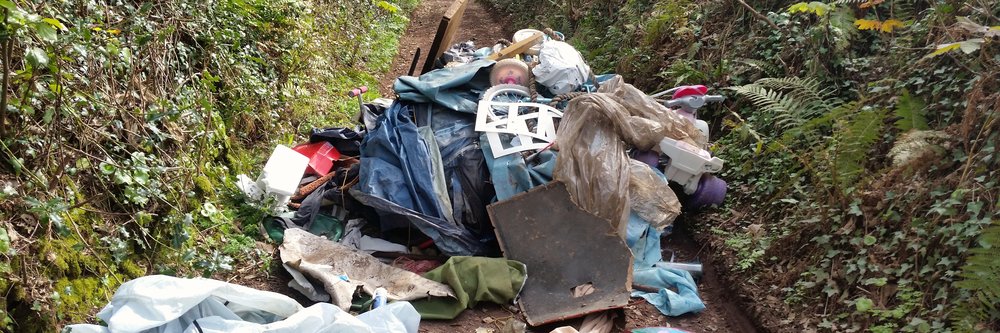
CLA members speak out
Ralph Rayner, who owns land in Devon, says he experiences at least one incident of fly-tipping every month, ranging from household, garden and builders waste to white goods. He says it often results in hours of work to clear away as well as the cost of security and recycling.
“Illegal dumping has worsened dramatically following tighter recycling rules, which have effectively shifted the burden onto private landowners. No one accepts injustice lightly, yet entirely innocent victims are now routinely held responsible for the actions of criminals. Many landowners will recognise the indignity of receiving a threatening letter from their local authority warning them of prosecution for “unlicensed waste storage”, when in fact they are the victims of illegal dumping on their own land. Unfortunately, the law and its enforcement remain poorly aligned. At the very least, landowners should be permitted to load dumped waste into a trailer and take it to recycling centres free of charge. Instead, this proposal is dismissed on the grounds that it might encourage farmers and landowners to dispose of their own waste there. Until government makes a genuine effort to work with landowners and develop practical solutions, fly-tipping will only continue to increase.”
A spokesperson for Colesbourne Estate in Gloucestershire said: “We have experienced regular fly-tipping for several years, but we have suffered particularly over the last few months. Since November we have had three lorry loads of cannabis waste – mostly soil and roots – as well as household waste tipped on our land. This isn’t just small amounts – it’s been 75 bags each time.
“We’ve also had three lots of old motor tyres discarded, which were taken into the far end of the fields. Again, this was between 50 and 60 tyres dumped on each occasion. There’s also been a lot of building waste, particularly plaster board, which gets dumped because skip hire companies will no longer take this, and a large amount of damaged plastic car body work.
“It costs a lot of money for us to clear it up each time. The problem is aggravated because you need an appointment to go to the local authority recycling centres and they are closed for longer periods during the winter months. The long, dry period last summer made it easier for lorries to get on the field. We aren’t always able to put barriers in gateways where access is frequently needed to stop people from gaining getting on the fields."
