Unique rural stays: how a sustainable tourism project can prove to be a worthwhile business diversification
Discover how an unusual tourism diversification, with endorsement from comedian Johnny Vegas, has created a range of beneficial opportunities for an estate and its local community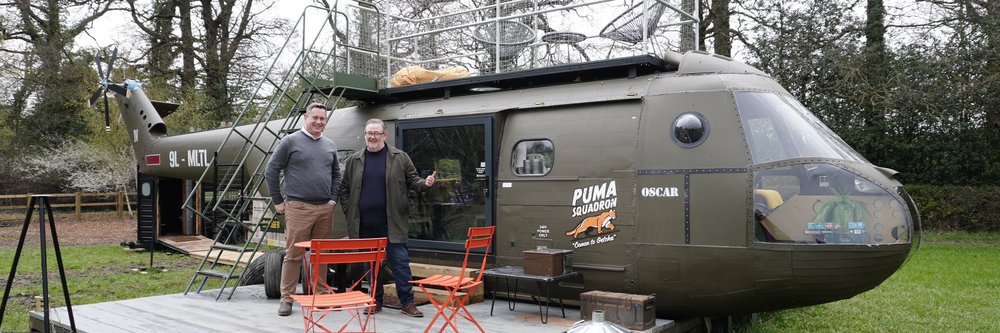
It is becoming increasingly difficult to manage rural estates sustainably without compromising financial viability. Traditional income sources, such as agriculture and let properties, are no longer sustaining the high costs of maintaining buildings, extensive grounds and conservation projects. Many estates are exploring new and innovative ways to generate income, branching out into a range of diverse ventures.
Tourism is one area into which many CLA members are diversifying, with opportunities including wedding and event hosting, holiday accommodation, and farm shops or artisan food brands. Other business sectors include renewable energy projects or land lease for commercial use.
Diversification not only provides the opportunity to generate different income sources, but also helps to preserve the cultural and environmental heritage of these businesses for future generations.
Melbourne Hall
Located in the rolling countryside of South Derbyshire, Melbourne Hall – home to CLA members the Marquis and Marchioness of Lothian – is capitalising on its rich history to draw visitors from far and wide.
Set within the village of Melbourne, the hall overlooks a tranquil mill pond and remains a family home. It is surrounded by ‘the best surviving gardens in the manner of the famous designer [André] Le Nôtre to be seen in England today’ – and is home to a rather unexpected diversification.
A field of dreams
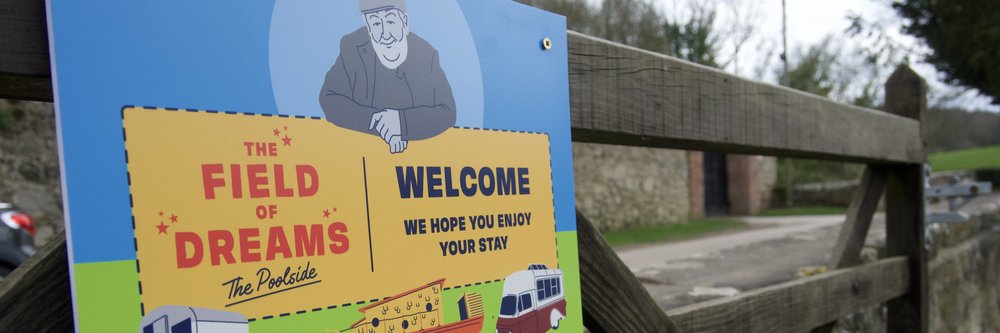
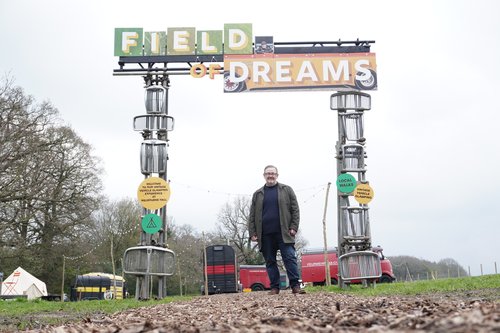
Nestled in a quiet corner is a glamping site with a distinct difference: the Field of Dreams. The brainchild of comedian, actor and sustainable tourism advocate Johnny Vegas, it aims to create a unique and memorable experience for guests.
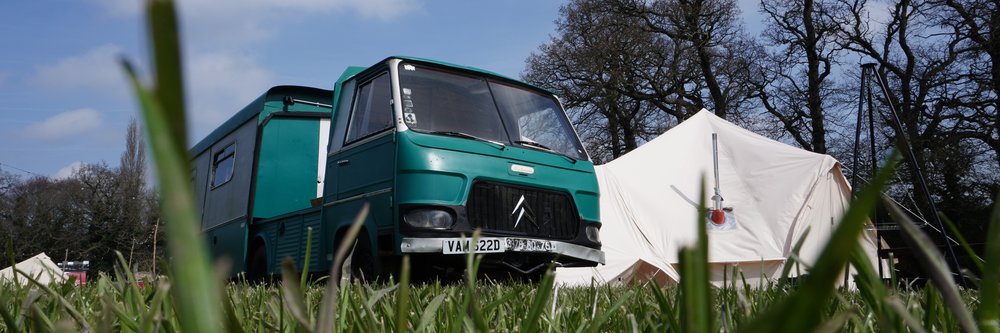
This quirky accommodation comprises a helicopter, school bus, boat, Citroën camper and Maltese public transport bus – the drunken purchase that initiated the entire project. Each vehicle has its own horsebox bathroom with flushable toilet and shower, and the whole site runs completely off-grid using solar power. All vehicles have been lovingly upcycled and restored to provide guests with home comforts and a relaxing break from everyday life.
Lord Ralph Kerr says: “We’ve always loved a bit of cheer and character, and being fans of Johnny Vegas made hosting the Field of Dreams a very easy decision for us.”
It’s quirky, joyful and it’s given visitors a reason to discover our little corner of Derbyshire, increasing footfall to local businesses and in turn adding to the local economy
The Field of Dreams proposal offered the perfect business diversification opportunity while also showcasing Melbourne Hall and contributing to tourism and economic activity in the local area.
It’s all in the planning
TUK Rural, a local company committed to overcoming the challenges of rural development, led the planning process.
“Sustainability, history and tourism lie at the heart of this diversification effort, which required careful planning to change the use of agricultural land into a unique eight-unit glamping site featuring unusual vehicles,” says Phil Tuckwell, Director of TUK Rural and CLA Derbyshire branch committee member.
As part of the planning process, a comprehensive feasibility study was conducted to assess the project’s viability and potential impacts. Key factors, including land suitability, environmental considerations, the required infrastructure and alignment with national and local planning policy frameworks, were evaluated.
A proposal was created based on the study’s outcome and projected design plans, which explored potential impacts on the environment and local heritage while also identifying the project’s broader economic benefits. These factors were prioritised throughout the application process.
Environmental concerns were thoroughly addressed, with a focus on minimising ecological disruption. The plans focused on preserving existing flora and fauna and integrating the new development as sensitively as possible into the landscape.
Crucially, the application also emphasised the glamping site’s positive economic impact, highlighting opportunities for job creation, visitor footfall and growth across local sectors, adding to the local economy.
The local authority reviewed the proposal in line with land use policy, heritage considerations, environmental impact and public interest, and granted permission. The site was installed in 2024.
A distinctive destination
Rural diversification is a necessity and an opportunity for many landowners, from small farms to estates. The Field of Dreams is a perfect example of creativity, sustainable tourism and economic resilience. By providing an area of land for upcycled and unusual vehicles, the estate has tapped into the demand for eco-friendly, experimental tourism, creating a distinctive destination.
This venture shows how estates can evolve by reducing their environmental impacts and capitalising on unique ventures that set them apart in a crowded tourism market.
As landowners and rural enterprises look to the future, this project offers a compelling model for sustainable development and adaptive reuse, and shows that diversification doesn’t have to mean a departure from tradition. Through this creative reinvention, the estate has secured a new stream of income, preserved its heritage, and invites guests to experience the countryside in an entirely new way.