Understanding bluetongue virus (BTV-3)
Read our simple guide to BTV-3, including the movement restrictions for livestock and details on reporting outbreaks of bluetongue virus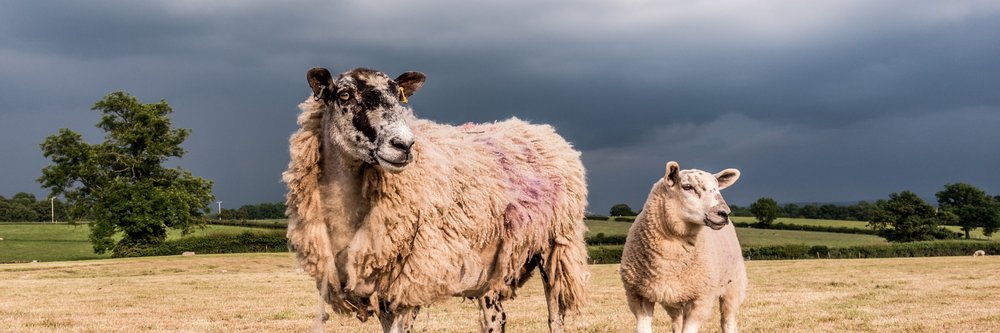
What is bluetongue virus?
Bluetongue virus (BTV-3) is a viral disease that primarily affects ruminants (sheep, cattle, goats and deer), as well as camelids (llamas and alpacas). The virus is transmitted by biting midges and therefore poses the highest risk of spreading between the months of April and November.
Bluetongue virus is a notifiable disease, this means that suspected cases must be reported to the authorities – the correct contact details can be found at the bottom of this blog.
There is no treatment for BTV-3, but in most cases recorded since September 2024, the clinical signs have been mild and animals have recovered. To learn how to spot the symptoms in your animals, visit the government website here.
Since 1 July 2025, the entirety of England has been designated as a restricted zone due to the fact that bluetongue is now largely widespread across the nation. Scotland and Wales are currently considered bluetongue-free areas.
What does this mean for moving livestock across the UK?
As the whole of England is a restricted zone, livestock keepers can move animals between counties without a licence or pre-movement testing.
If you want to move animals from England to Scotland or Wales, a movement licence will be required. You can apply for one of these licences here.
To receive a movement licence, you will need to confirm that the animals in question have:
- Completed a valid pre-movement test (carried out at the livestock owners expense), or
- A vaccination with the Boehringer Bultavo-3 vaccine (for cattle only), and
- No clinical symptoms
Sheep cannot move to Scotland or Wales without a negative BTV-3 pre-movement test, even if they're vaccinated.
Limiting the likelihood and impact of bluetongue virus
You can help to prevent bluetongue virus from spreading by generally maintaining good hygiene and biosecurity for livestock.
Inoculations are available and it’s important to discuss vaccination options with your vet, they will be able to offer advice on whether it is advisable in your circumstances.
If you suspect bluetongue among your animals, you must report it immediately by calling:
- 03000 200 301 in England
- 03003 038 268 in Wales