Supporting service leavers into the rural economy
The rural economy offers diverse and fulfilling career paths for ex-military personnel. Sarah Wells-Gaston explores how the CLA is helping veterans take the next step in their careers.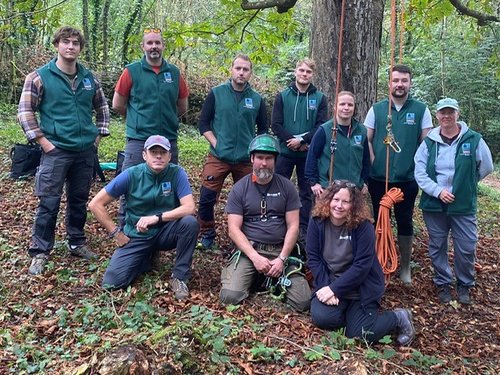
Securing a reliable workforce remains one of the most significant challenges facing rural businesses today. A shortage of workers, or employees lacking the appropriate skills and experience, can place considerable pressure on operations, limiting both productivity and opportunities for growth.
Military personnel transitioning out of the armed forces represent an important yet underused talent pool for rural employers. These individuals bring a wealth of transferable skills, including leadership, strategic planning and operational management, all of which can deliver significant benefits to rural enterprises and land managers. However, according to Deloitte’s Veterans Work: Then and Now report, many veterans find securing the right role difficult, with 47% still unemployed six months after leaving the military. This demonstrates the importance of helping rural employers recognise the benefits veterans can offer, while increasing awareness among veterans of the diverse opportunities available across the rural sector.
From service to stewardship
It’s been three years since the CLA signed the Armed Forces Covenant, a recognition of the role former military personnel could play in unlocking the skills shortage facing the sector. Since then, the CLA has brought together a wide range of organisations – from veteran support groups, skills providers and rural employers – to develop a roadmap of best practice. Through the covenant, the CLA is aiming to raise awareness among its members of veterans’ positive contributions and the benefits they can offer rural businesses.
CLA Senior Economics and Rural Business Adviser Charles Trotman explains: “The skills developed in the armed forces extend far beyond military operations, and the rural economy has much to gain from the experience and practical skills that veterans have to offer.
“Our aim is simple: to help rural businesses address skills shortages while creating meaningful career opportunities for those leaving the armed forces.”
Reconfirming the CLA’s commitment to helping former military personnel find their new mission, the CLA Charitable Trust awarded HighGround with a grant of £4,800 to fund two places on its Rural Week, which offers attendees the chance to explore their options for land-based careers.
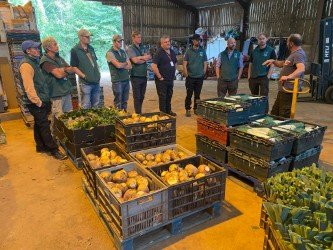
HighGround was founded in 2013 and serves to help those transitioning into a civilian life to find new career opportunities within the land-based sector. Its Rural Week is delivered in partnership with Bicton College in Devon, with courses soon to be offered at Sparsholt College in Hampshire too, combining classroom-based presentations and visits covering farming, forestry, smallholdings, animal care, gamekeeping, horticulture, equine management and much more. This allows participants to take a closer look into the employment and self-employment opportunities in each area, how their military skills and experience could be applied and what qualifications may be needed. Future growth of the initiative will hopefully encompass Scotland in the near future.
Collaboration with the CLA
HighGround’s Operations Manager Heather Crawford says collaboration with the CLA has been incredibly important to the charity, commenting: “The funding we have received through the CLA Charitable Trust means we have been able to support more service leavers through our Rural Week, giving them the chance to build a new future in the rural sector.”
HighGround works hard to ensure the programme delivered meets the needs of both the participants and the rural sector. Heather says: “We have twice yearly meetings to understand what is happening in each sector and ensure we are providing the most up to date information on courses. We’re also in regular contact with beneficiaries to listen to their experience to get feedback so we can ensure we are providing what is required.”
Once Rural Week is completed, the support offered continues with Heather explaining: “On-going support is a key part of our offering, and the bit that actually makes a difference as to whether participants eventually move into land-based careers or not. Transition from the military is not easy for the majority and the support we offer in signposting to training, job opportunities are important in helping smooth that process.”
Heather finishes by saying: “Every transition journey is different, and it can be several years before our beneficiaries have completed their service and established themselves in new careers. However, we know at least 20% of our beneficiaries are now working in land-based roles although we suspect the actual number is higher than this. This is in roles such as rural estate management and land-based college teaching through to working for government bodies such as the Environment Agency and Rural Payments Agency.”
The value of veterans
With organisations such as HighGround providing career transition opportunities, the CLA has also been working to highlight the benefits of hiring service leavers. Prior to taking over the day-to-day running of Hole Park, a diverse estate in Kent, CLA member Edward Barham served in the armed forces. It is this background that Edward believes helps him see the potential former service men and women can offer as employees of a rural business.
He explained: “As a former soldier myself, I understand many of the challenges that service leavers can face when transitioning to civilian life. For that reason, I have always welcomed interest from veterans seeking employment opportunities. My own experience in the army taught me that the skills developed through military service are both distinctive and highly transferable. On an estate such as Hole Park, versatility is invaluable.
The estate currently employs one former member of the armed forces. Edward comments: “We need people who are willing and able to tackle a wide variety of tasks as needs arise, and veterans often excel in this environment. They bring a strong work ethic, a positive ‘can-do’ attitude and an ability to assess problems, find practical solutions and adapt quickly to changing circumstances. I also value the camaraderie, discipline and professionalism that former service personnel naturally bring to the workplace. Many are accustomed to working outdoors in demanding conditions, which means they are often well suited to careers in the rural sector and can settle into these roles with ease.”
While acknowledging that military personnel possess many skills, he also recognises that some training may be needed, adding: “While veterans may not always arrive with sector-specific knowledge or experience, they possess the aptitude, resilience and willingness to learn that enable them to develop those skills quickly. With the right training and support, they can become exceptional employees, and in many cases bring qualities that set them apart from other candidates.”