Smart farming
Jack Chivers weighs up the latest advances in agri-tech, considering opportunity, caution and practical applications on-farm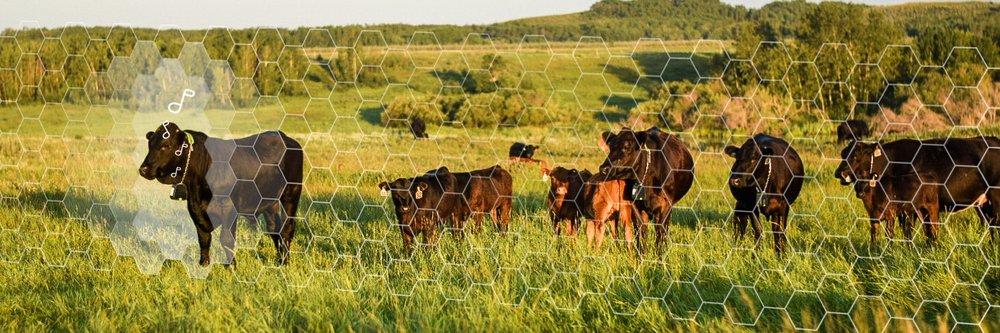
Agri-tech development continues to gather pace across the rural economy. In the right situation, it can offer farmers and land managers an expanding range of tools to improve efficiency, productivity and environmental outcomes. From robotic tractors to drones, artificial intelligence and livestock monitoring systems, innovation is already reshaping how CLA members can operate day-to-day.
In this article, we consider the practicalities of agri-tech for a farming system and feature contributions from businesses that are at the forefront of farming innovation. Each developing area offers exciting possibilities, and the direction of travel, at this stage, seems to indicate continued growth. However, it is important to approach agri-tech with a degree of realism. Technology can unlock significant benefits, but it is not a silver bullet.
Successful adoption relies on careful consideration, proper trials and an understanding of how new tools fit within a wider healthy farm system.
A growing ecosystem
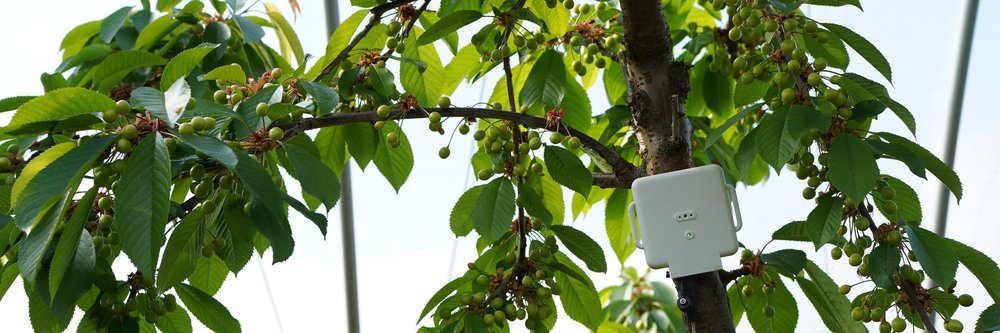
A range of emerging technologies are supporting livestock systems, enabling more flexible grazing management and helping to reduce labour requirements. Th ese include tools for virtual fencing, such as Nofence and Monil, as well as automated milking and feeding systems and tools that monitor environmental conditions such as pollinator activity and biodiversity and then inform targeted interventions.
These types of technologies can provide time savings, reduce repetitive manual tasks and enable more effective deployment of labour. In many cases, the benefits arise from incremental operational improvements rather than single, transformative gains.

Making sense of data
One of the characteristics of modern agri-tech is the volume of data that it can generate, which presents both an opportunity and a challenge. Used effectively, data can support better decision-making, reduce input costs and improve yields. Tools such as The Land App and Just Farm, alongside a growing ecosystem of farm management platforms, allow members to map their own land parcels, assess constraints, plan environmental schemes and track performance over time. However, more data does not automatically lead to better outcomes.
There is a real risk that information becomes overwhelming or, worse, counterproductive if it is not properly understood or integrated into decision-making. Ensuring data is relevant, actionable and proportionate is crucial. This will depend on the specific circumstance. A reduced system that brings together well-understood metrics can sometimes be more valuable than a large batch of loosely connected information.

Trials, testing and whole farm thinking
Trialling new systems on a small scale, where possible, allows land managers to assess both benefits and limitations before committing fully. Importantly, any new technology should be considered within the context of the wider farm system. Introducing a new tool without reviewing its interaction with existing practices can lead to unintended consequences. For example, adopting variable-rate fertiliser application without reliable soil mapping or compatible machinery can result in uneven nutrient distribution, reducing yields rather than improving efficiency.
A whole-farm review can help to ensure that agri-tech supports, rather than disrupts, a healthy business model. Not every innovation will be appropriate for every farm. Factors such as scale, enterprise mix, labour availability and, of course, cost all influence the delivery of real value.
The challenge is not simply to adopt technology, but to adopt it well
Time-saving and practical benefits
Although louder attention is given to cutting-edge technologies, some of the most accessible benefits come from relatively simple applications. Automated record-keeping, digital mapping, machinery tracking and communication tools can all save time and reduce administrative burden.
Innovations in these day-to-day areas can open up opportunities for members to engage with other schemes and act as a practical entry point into wider agri-tech solutions.
VIEWPOINT: OSCAM – DRONES IN AGRICULTURE
An eye on the future
Agri-tech growth is unlikely to slow, with innovation continuing to emerge across all sectors of agriculture and further afield. For CLA members, the challenge is not simply to adopt technology, but to adopt it well. This means approaching new tools with both openness and caution: embracing opportunity while ensuring decisions are grounded in evidence, testing and practical experience.
While agri-tech can support more efficient, resilient and sustainable farm businesses, its value will depend on how well it is understood, implemented and integrated into the realities of land management.
Although louder attention is given to cutting-edge technologies, some of the most accessible benefits come from relatively simple applications
Funding and support
For members considering investment, several funding opportunities can be looked at. These can be delivered via government intervention as well as private fi nancing opportunities.
Programmes such as the Adopt (Accelerating Development of Practices and Technologies) Fund are focused on supporting innovation, trials and knowledge exchange in the sector. Websites such as the UK Agri-Tech Centre or the Agri-TechE Funding Finder outline the possible funding opportunities. Alternatively, members are encouraged to contact their local CLA team to see if there are any local opportunities.
Engaging with these schemes can make it easier to test new approaches, particularly where upfront costs may be a defining barrier. However, funding alone should not drive decision-making, and the underlying business case must remain sound.