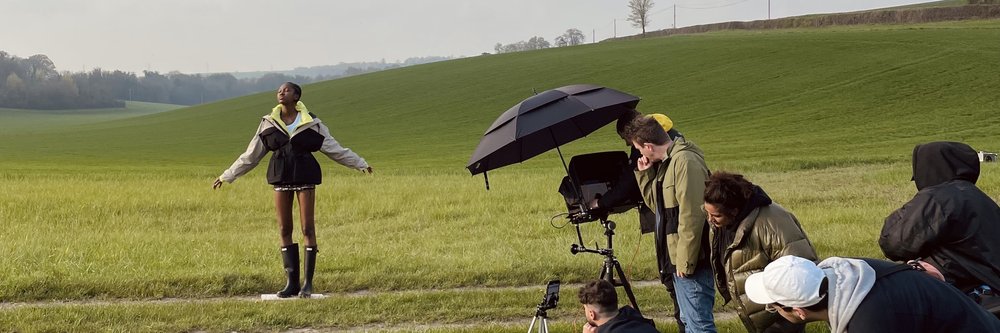
Lights, camera, countryside: the UK farms becoming the perfect backdrop for filmmaking
In our latest member case study, we explore the growing demand for rural film and photographic locations, and discover how CLA members are getting in on the action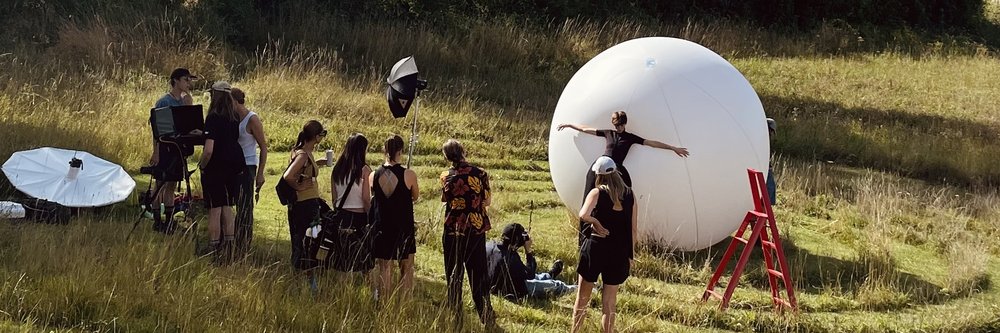
In 2024, the total spent on UK film and TV production was £5.6bn, according to the British Film Institute. With hundreds of films, TV dramas, music videos, lifestyle and fashion campaigns shot every year, it’s little wonder that farmland has become increasingly attractive for filmmakers and photographers.
Ready for a take?
One farm taking advantage of this boom is Castle Farm in Kent, a 1,200-acre farm that has been in the Alexander family for five generations. CLA member Lorna Roberts, who leads the film locations side of the farm business, says: “Growing lavender meant we had beautifully picturesque fields that looked gorgeous in the backdrop of photographs. As the farm was taking off in terms of lavender production, we got a bit of experience of working with crews, but it was pretty few and far between.
When Lorna moved back to the family farm following a career in PR and fashion production, she felt there was the potential to do more. “I had experience pulling the creative side together, so I had an idea of what crews would want from a farm location,” she says.
On average, Castle Farm hosts shoots on two or three days a week across the year – from small editorial shoots to feature films with 140 people on set every day, and even the odd game show.
“The number of shoots varies year to year,” Lorna explains. “It can be nerve wracking not knowing what is coming. With some productions, we don’t get confirmation until a couple of weeks out – if you are lucky - or even a week in advance. What we have tried to do is make sure production teams see the variety that we offer so we get repeat bookings. I’ve also tried to make the farm as welcoming as I can, providing everything they might need.”
Her advice to those interested in offering their land for filming? Embrace flexibility. “Production crews often have a vision in terms of what they want to achieve, and we try and work alongside them to help them bring it to life.
“Recently, an art director saw the straw bales from harvest and decided this was the perfect setting for his romantic final movie scene. However, we were due to collect all the bales the following day. We had to hold them in the fi eld for an additional week, which subsequently meant the drilling of the cover crop was delayed – but they got the shot they needed.
“Another American director fell in love with the concrete wall of a silage pit - it was the most unglamourous wall - and wanted to do a particular scene against it. But the movie was due to be filmed the week after we would have filled the pit. As such, that year we had to store all of our silage in outside clamps so that he could get the shot that he wanted on the inside wall.
“These crews often have beautiful creative directions, and you can help them achieve their dream. I love seeing the different types of production come to life – the other day I was walking on the London underground and came across a huge poster with one of our fields as the backdrop of a Hunter Wellies commercial.”
Castle Farm was one of the first farms to be promoted to the sector by a specialised rural location agency. “We were already doing a little bit of work in this space, so when Jo started Farm Locations, we were very happy to get involved.”
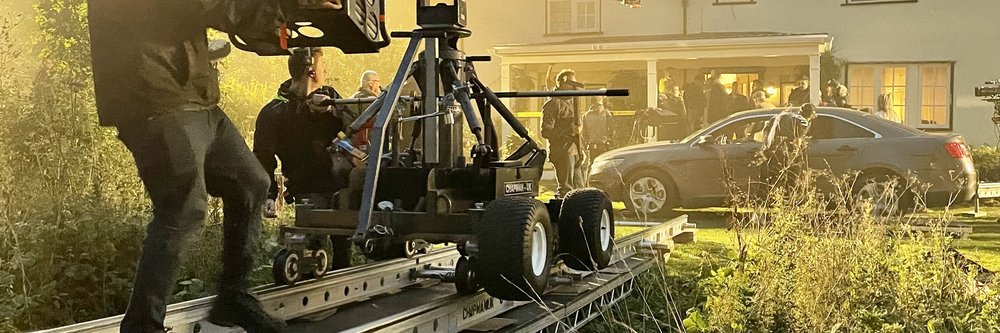
Linking farming with filming
CLA member Farm Locations has been bridging the gap between farms and the film industry since 2015, offering a new source of income to landowners who would find it hard to do it alone. Set up by Jo Thompson, it combines her background in farming with her experience from a career in marketing and property to represent farms and estates in the film and photographic industries.
The need for such an agency came about when she tried to attract shoot crews for her own family’s farm. “We first tried to break into the industry by listing on a locations agency website, but nothing came of it,” she says. “It was clear that farmers were lacking somewhere to go for help, so I had the idea to try and be that helping hand.
“I created a simple website with a handful of my family’s farms, launched an Instagram account, and within a few weeks, the first job came through. In time, more jobs trickled through, the portfolio expanded organically, and after the pandemic, Farm Locations took off when outdoor shoots were the first kind of shoot to be possible.”
Farm Locations operates similarly to a holiday lettings agency, taking care of marketing, facilitation and paperwork so landowners can focus on hosting. It has more than 200 farms on its books, and is continually adding fresh locations.
The beauty of being a shoot location is the investment is next to nothing, and the margins are high when shoots come in
“There is very little you need to do to get started - you are offering your farm as is. We manage a vast variety of enquiries, from horror movie briefs to floral fashion shoots, modern kitchens to medieval barns, so when talking to owners, we cannot help but be optimistic and suggest putting a toe in the water.”
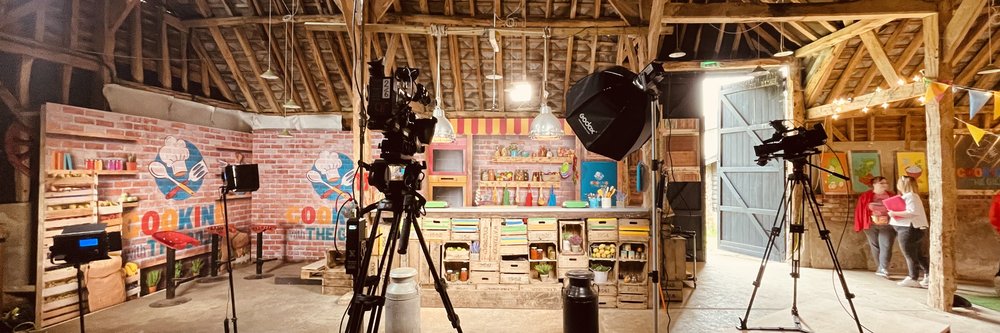
A desirable location
Another CLA member who has benefited from working with Farm Locations is Peatswood Farm, on the Shropshire and Staffordshire border. In the Fair family for three generations, it operates day-to-day as a traditional working dairy farm – but numerous companies have hired it as a backdrop for campaigns. It recently hosted the BBC to film a special episode of Countryfile for Children in Need.
Alice, who manages the farm’s diversified activities while her husband concentrates on farming, explains: “I knew there was an opportunity to rent out land for filming, and found Farm Locations as a hub to put the farm on. We’ve had a variety of shoots; it’s been really interesting and well worth doing, and our two Airbnb properties are really handy for film crews.
“How we work filming around our daily farm activities really depends on what the production team wants to use it for - we are flexible and come to an arrangement in advance. Thankfully it has always worked out, as you can put the boundaries you want to work to when they visit for a recce.
“If you’re chosen for a project, they have accepted these in advance and the crews are very respectful that the location is a working farm.
“By working with Farm Locations, I have felt more protected and it has taken away any awkward conversations you might have to have. It’s made it a more positive experience. We would never have had these opportunities if it wasn’t for Farm Locations putting us on the map.”