Insuring a building on a first-loss basis: smart strategy or hidden risk?
CLA Insurance explains how members with high-value or heritage buildings could benefit from first-loss insurance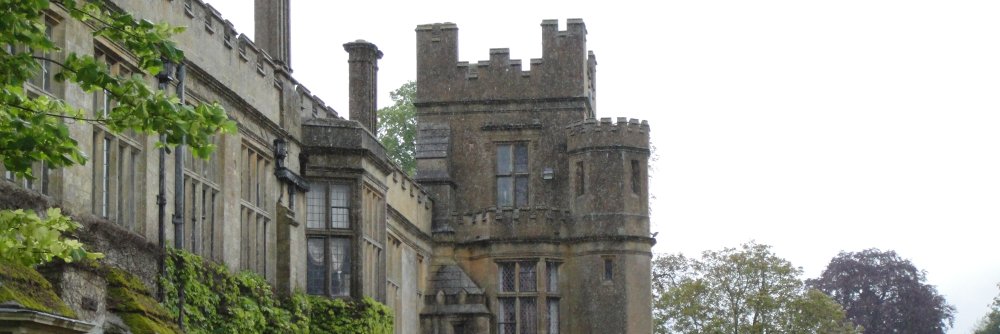
For owners of historic, listed or high‑value buildings, the question of how best to insure their property is rarely straightforward. One option that often comes up - particularly when the full reinstatement value runs into the tens of millions - is first-loss insurance. On the surface, it can look like a pragmatic way to reduce premiums without compromising too heavily on protection. But as with most things in the world of heritage property, the reality is more complex.
If you’re considering a first-loss approach, it’s worth understanding not only the potential savings but also the financial, regulatory and practical implications that come with it. This guide aims to demystify the subject and help you think through the key considerations before making a decision.
What is first-loss insurance?
Under a traditional insurance policy, the building is insured for its full reinstatement value - the cost to rebuild it completely. First-loss insurance works differently. Instead of covering the entire value, the insurer agrees to pay up to a pre‑set limit, based on the assumption that a total loss is highly unlikely.
This approach is often attractive for large or historic properties where:
- The reinstatement value is extremely high
- The owner has the financial capacity to absorb some risk
- A total loss is considered improbable
Insurers typically offer standard excesses of £10,000–£50,000, but for some owners these levels are far too low. First-loss cover effectively allows them to self‑insure beyond the chosen limit.
Setting the first-loss limit - more complex than it looks
Determining the right first-loss figure is not a simple calculation. It requires specialist input and a realistic assessment of the maximum probable loss.
Factors to consider include:
- Construction type and materials
- Existing fire precautions
- Compartmentation and fire breaks (lofts often lack these)
- Proximity to fire services and water supply
- Whether a building is listed and the onus that may create.
For example, where the estimated maximum loss is only 50% an owner might decide to only insure half the reinstatement value. However, this does not necessarily mean that the premium will halve, as by default you have increased the likelihood of the total sum insured being claimed.
Why owners consider first-loss cover
Cost efficiency
Premiums based on full reinstatement values for historic buildings can be substantial. Specialist materials, skilled craftspeople and long project timelines all drive costs up. First-loss cover can ease the financial burden.
Reinvesting savings into risk reduction
Money saved on premiums can be redirected into:
- Improved fire detection and suppression
- Enhanced security
- Electrical upgrades
- Leak detection
These investments can reduce the likelihood of a major loss - making the first loss approach more viable.
Flexibility for owners with strong financial resources
For owners who can comfortably fund losses above the insured limit, first-loss cover can offer a balanced blend of protection and autonomy.
The challenges - especially for listed buildings
This is where things get tricky.
Conservation requirements complicate cost estimates
English Heritage and local conservation officers rarely permit demolition or modern reconstruction of listed structures. Instead, they expect sensitive restoration, often using the reinstatement of historical or character features, such as carved stonework, decorative plaster, wood panelling and stained glass. These elements are beautiful - but expensive, slow to source and reliant on scarce craftspeople. A “worst‑case scenario” becomes extremely difficult to define.
Hidden damage and scope creep
Historic buildings are unpredictable. A fire or structural incident may reveal:
- Decay
- Weaknesses
- Previously unknown defects
Once repairs begin, conservation authorities may require additional work, quickly exhausting the first-loss limit.
Cash flow and liquidity issues
Even owners with significant assets may not have liquid funds readily available. Investments may be tied up, difficult to access or costly to withdraw. This can create real pressure if a major loss exceeds the insured limit.
Perception of financial capacity
When insurers are involved, conservation bodies understand there are financial boundaries. But, when owners appear to have substantial means, they may be asked to address additional issues “while works are underway” such as improving the building and expanding the scope and cost.
The real risk - underestimating the worst case
Total losses may be rare, but significant losses are not. Owners often hope they’ll never need to make a claim, but insurance exists precisely for the unexpected. A first-loss policy may save money upfront, but for the unlucky few who experience a major event, the financial consequences can be severe.
Regular reviews are essential. Construction costs, conservation standards and the building’s condition all change over time. A limit that was sensible five years ago may be inadequate today.
So, is first-loss insurance worth it?
First-loss insurance can be a practical, cost‑effective tool - particularly for larger buildings where total destruction is unlikely. When paired with strong financial resources and careful planning, it offers flexibility and control.
But it is not a shortcut.
Success depends on:
- Setting a realistic first-loss limit
- Reviewing it regularly
- Understanding conservation requirements
- Ensuring liquidity for losses above the limit
- Managing relationships with insurers and heritage authorities
Used thoughtfully, first-loss cover can support responsible stewardship of important buildings. Used carelessly, it can expose owners to unexpected financial and regulatory challenges.
If you’re considering this route, the best next step is to speak with a specialist who can help you weigh the risks and rewards and arrange cover that truly fits your property and circumstances.
Get in touch
Contact CLA Insurance on 0330 165 8941 or insurance@cla.org.uk.