How to address the fly-tipping crisis
The CLA’s national fly-tipping lead Jane Harrison explains how an effective five-point plan can be used to help tackle fly-tipping for farmers and rural landowners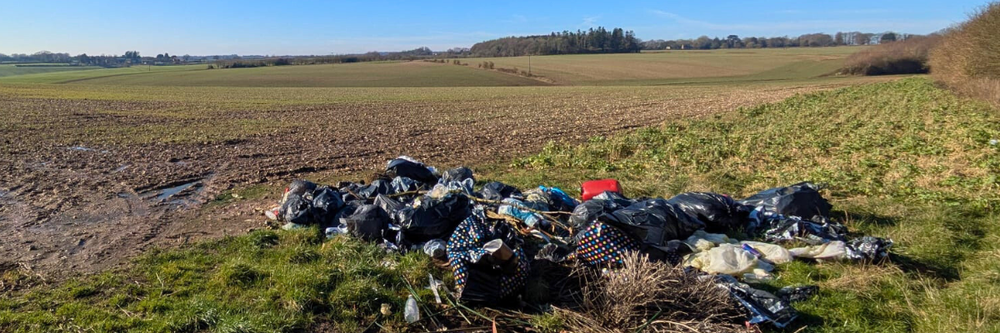
Fly-tipping continues to pose a serious and costly problem for landowners. Two thirds of farmers and landowners have experienced fly-tipping at some point, yet many incidents on private land go unreported because of low confidence in the ability of councils or the police to deal with the problem. As a result, landowners often end up shouldering the cost of clearing the waste themselves.
Clearing an illegal waste site can cost thousands of pounds, making prevention and good oversight essential. Landowners who are victims of this crime should therefore make sure that any prospective tenants involved in waste management have the correct permissions and remain compliant with their obligations.
How to solve fly-tipping: CLA proposals
In response to the increasing scale and cost of fly-tipping, the CLA has set out practical, targeted proposals that support both landowners and enforcement agencies – helping to create a more effective and fairer system.
One such proposal is the appointment of a National Fly-Tipping Commissioner. This dedicated role would co-ordinate efforts across national agencies, target organised criminal activity, and provide consistent monitoring of fly-tipping on both public and private land. The Commissioner would also benchmark performance across enforcement bodies, driving greater accountability and ensuring the crime is taken seriously.
Alongside this, the CLA is developing new ways to support victims of fly-tipping on private land. This includes advocating for a permit scheme that would allow private landowners to dispose of illegally dumped waste materials to dispose of it at licensed sites free of charge, easing the substantial financial burden that many currently face.
The CLA is also calling for the removal of default landowner liability, ensuring that those who are targeted do not continue to bear the cost of criminal behaviour.
Together, these proposals form part of the CLA’s wider five-point plan, designed to strengthen enforcement, support victims, and reduce the impact of fly-tipping on the countryside.
By combining practical support with long-term policy change, the CLA aims to deliver real progress in tackling this damaging and persistent crime. While courts can issue prison sentences or unlimited fines, prosecutions remain rare, and offenders clearly do not fear the current system. Stronger and more co-ordinated action is urgently needed to ease the growing burden on rural communities.
