How Local Nature Recovery Strategies (LNRSs) can unlock new opportunities for your rural business
LNRSs are becoming central to how nature recovery and land use in England is being used. Find out how they work, the current rollout in your region and the next steps to take for your rural businesses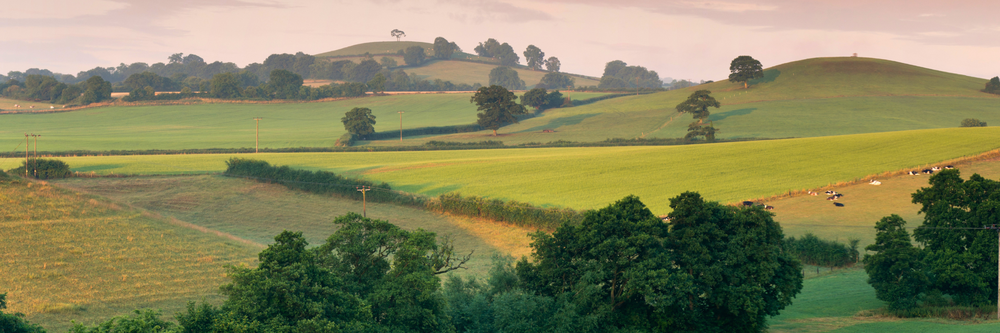
If you are a land manager or property owner in the countryside, chances are you may have heard about the Local Nature Recovery Strategy (LNRS) in your region. You may have even been involved in their development or responded to the consultation, but many are not yet aware of why these strategies are important to those in rural areas.
This blog highlights what exactly LNRSs are and how they are likely to impact your rural business now and in the future.
LNRS headlines
- LNRSs map priority habitat and nature recovery opportunities for 48 areas across England
- At end of January 2026, 26 LNRSs have been published, and a further 19 are awaiting publication following a period of development and consultation. The remaining three are in consultation or awaiting consultation
- Landowner consent is not required for inclusion in the strategies. There is no obligation on the landowner to take action, however there may be opportunities, for example, Biodiversity Net Gain (BNG)
- LNRSs are advisory, not regulatory, but local planning authorities need to ‘take them into account when making planning decisions, and they will influence future land use policy and investment
- They are not permanent documents and must be reviewed and republished every three to ten years to track progress and update priorities
- Defra has just issued a blog on how landowners and managers should use LNRSs in decision making - here
What are LNRSs and what will they achieve?
A LNRS is, at its simplest, a locally tailored map that identifies where actions to recover nature will have the greatest impact. Importantly, they do not mandate actions for nature recovery, but act as a practical guide.
Each LNRS must include two core components:
- A local habitat and opportunity map that identifies existing protected habitats (e.g. nature reserves, Sites of Special Scientific Interest, etc), or areas important for biodiversity and areas where habitat creation or restoration could deliver significant benefits
- A written statement of biodiversity priorities which describes the local ecological conditions, identifies opportunities for habitat improvement and sets out priority actions for nature
They will contribute to nature recovery by supporting decision making so that it happens in the right places through targeted, collaborative action.
Current status of Local Nature Recovery Strategies
The 48 LNRSs throughout England are a requirement under the Environment Act 2021 with specific local authorities appointed to lead strategies in each area. A map of the 48 LNRS lead authorities and boundaries can be found here.
Development of LNRSs has taken some time (the original target for publication was March 2025), and progress varies around the country. This in part is because they are brand new, needing new staff and processes, but also because the guidance published by Defra intentionally allowed different approaches in order to reflect local priorities.
Each LNRS has gone through a process of development that involves mapping, engagement with interested parties including landowners and managers and production of a draft consultation for formal public consultation. After the public consultation, there are revisions before final publication.
The full list of LNRSs by CLA region and their status at the end of January 2026 can be found below.
In summary at the end of January 2026:
| LNRSs published | 26 |
| LNRSs awaiting publication following consultations | 19 |
| LNRSs currently in consultation | 1 |
| LNRS awaiting consultation | 2 |
The role of the CLA
The CLA regional teams have kept abreast of their LNRS areas and worked with the relevant teams and CLA members to support landowner awareness and promote engagement during development. They have also notified members when the consultations were published and encouraged land managers to review and respond.
The CLA national team has worked closely with Defra to highlight the challenges faced by landowners and support the development of guidance for lead authorities. We have also hosted a useful webinar (which members can watch here) setting out how best to engage with landowners and managers to help lead authorities.
How will they, or could they, be used?
As we move into the implementation phase during 2026, LNRSs are likely to increasingly influence decisions such as:
- Local planning authority decisions – following the Planning and Infrastructure Act 2025, planning authorities must now ‘take account of’ LNRSs
- Developer mitigation and off-site BNG – priority areas in LNRSs qualify for a BNG uplift, thereby requiring less land for the same biodiversity units. This might be extended to the locations of the new Environmental Delivery Plans that Natural England will use for collective delivery of mitigation for protected sites and species
- Private investment in nature markets – it would make sense for organisations looking to invest in nature to consider LNRS priorities to get best value for money
- Businesses and organisations such as water companies might also consider the LNRSs in their planning for nature-based projects
- Charities, philanthropic funders and others might also use LNRSs to see what and where they will be able to deliver the best environmental value
- Targeting of government schemes - Some LNRSs also anticipate that over time they will be used to target public funding, for example Farming in Protected Landscape Landscapes (FiPL) or some parts of the Environmental Land Management (ELM) schemes.
The CLA is very alert to LNRS misuse, and will be monitoring any issues closely. Despite assurances from government, we have ongoing concerns that while LNRSs are intended to be advisory, they might end up with lines of maps and zoning that could inappropriately restrict economic development or stifle environmental projects that are not in priority areas for example.
How should land managers use LNRSs?
From a landowner and manager perspective, LNRSs could present opportunities for those interested in environmental land management and projects – e.g. water management, pollinator enhancement, carbon sequestration.
Any business looking at long-term plans, farm diversification and contributions to the local area, should look at their LNRS
They don’t guarantee funding, but they can help shape projects to align with local objectives which may reduce friction in gaining necessary approvals, and make them more attractive to funders.
Key actions for land managers:
- Check LNRS maps showing priority habitats and opportunity areas and how that relates to your land
- Understand the local priorities and shape plans to contribute
- Look for collaborative opportunities with other landowners and managers, and local environmental groups, as this could unlock larger scale opportunities, attract more funding and deliver greater ecological impact
All LNRSs are different, as they should be, to reflect the different priorities. However, this also extends to the mapping and the access to the maps.
If you need help in navigating the maps or understanding what the LNRS means for your business, please contact your CLA regional team for help and support, or for other enquiries or comment please contact advice@cla.org.uk.
