From precinct to prosperity
Discover how a major Hertfordshire regeneration scheme has turned a rundown shopping precinct into a vibrant destination for residents, retailers and visitors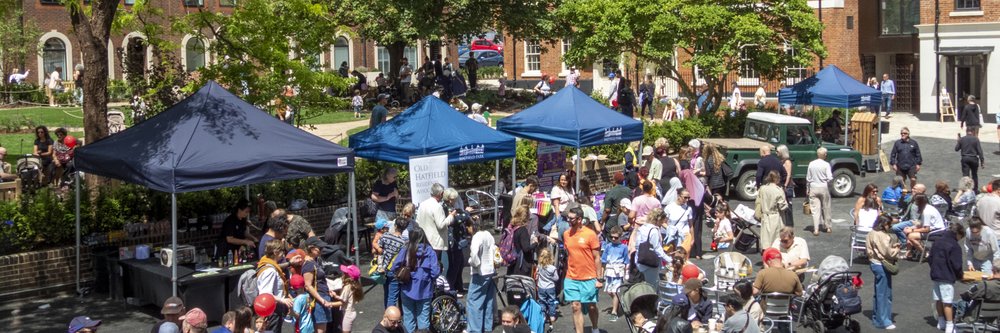
Hatfield Park Estate in Hertfordshire brings together a diverse range of businesses, residential properties, farming, forestry and environmental activities, hospitality, retail and leisure. It is one of three locations overseen by Gascoyne Estates which manage the land and property interests of the Cecil Family on behalf of the Marquess of Salisbury.
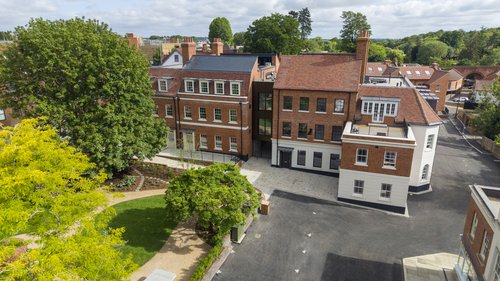
Chief Executive of Gascoyne Estates Jorge Mendonça has been responsible for the development of Salisbury Square, a new mixed-use regeneration development in Old Hatfield that forms part of the Hatfield Park property portfolio.
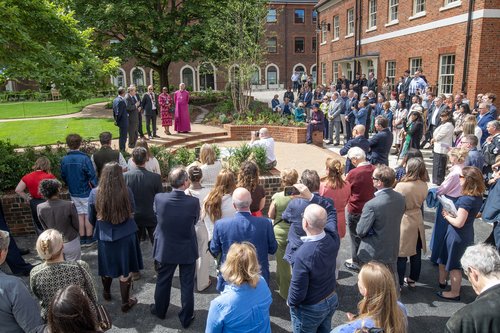
The development has seen a dated 1970s shopping precinct replaced with new homes, commercial space and a landscaped public square. It follows several significant projects across Hatfield, including the redevelopment of the local train station, a new multi-storey car park and the transformation of other once-neglected areas into vibrant areas.
Weighing investment and community benefit
The decision to proceed with the Salisbury Square development was not an easy one; the benefits to the estate and community had to be balanced against the significant financial investment required.
In 2008, at a community workshop known as a charrette, the estate met with local groups to discuss where improvements could be made to Old Hatfield. It was identified that the town's run-down shopping precinct was serving the needs of the area poorly.
"It was from that charrette that the estate went away and designed what Salisbury Square could look like," says Jorge. "But that was where the project stayed for many years, mainly because it was unaffordable and we weren't capable of delivering it without making a loss on day one."
Instead of abandoning the project, Gascoyne Estates decided to redesign and reappraise the plans until the proposals could break even while retaining its objectives.
Kitchens, bathrooms and fit-out costs
The project's scope was changed early on, budgets and contingencies were carefully managed and Gascoyne Estates worked collaboratively with contractor Boom Construction to control costs without weakening the original design intent.
"We stuck to our design code and our pattern book because quality is the thing that matters most in these developments," says Jorge. "But we did make some changes."
"The original plans were more heavily weighted to residential properties. It's much more expensive to deliver these, as it means more kitchens, more bathrooms and more fit-out costs. So we made some changes there, along with other smaller engineering decisions."
The project was a balancing act, Jorge continues: "We had to balance the commitment we had made to the community while also considering the project from a business perspective."
"In these circumstances I always look at what our purpose is, and our purpose is very clear. It is about growing lasting social and commercial value for the communities we serve."
"A developer would look at this project and probably not touch it as they wouldn't turn a profit in the first five years. But, we can say, over the long term, this investment will be good for everybody. And it might yet come good commercially."
What does successful regeneration mean?
Now complete, Salisbury Square comprises six commercial buildings, three apartments, five townhouses and a landscaped public space close to Hatfield Station and Hatfield Park.
Gascoyne Estates is now focused on the long-term stewardship of the development, including selecting commercial occupiers that can contribute positively to the wider destination.
Salisbury Square is not a universal model for development, Jorge says, because not every organisation benefits from patient capital or long-term estate ownership. However, he believes that it raises an important question: whether successful regeneration should be judged solely through financial return at practical completion or through the value that it continues to create for businesses, residents and communities over time.
"Salisbury Square is an example of how we can deliver a project and not lose money," he says. "But the social value and our contribution to making Old Hatfield better will have benefits in so many different areas. This is something we can be proud of."