From fields to fragrance: the story of England’s oldest lavender farm
Norfolk Lavender has a rich history of producing some of the finest lavender-based products available. In our latest member story, the CLA’s Lee Murphy finds out more about this unique crop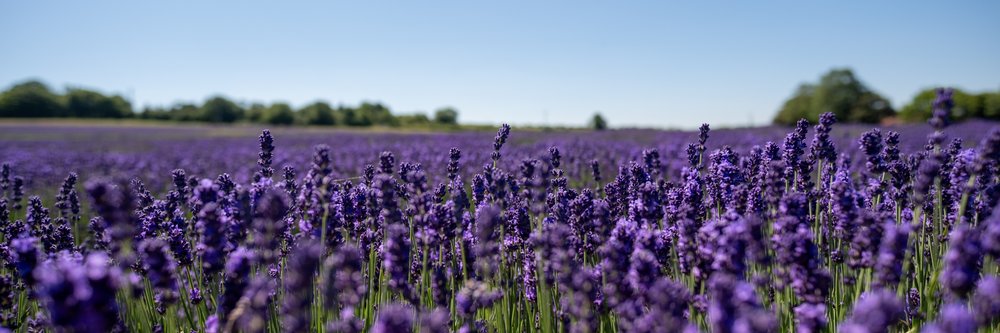
Norfolk Lavender, established almost 100 years ago, has a long history in East Anglia and is the oldest lavender farm in England. Its founder, Linn Chilvers, originally ran a nursery garden and florist business, but had always dreamt of growing lavender on a larger scale. However, most local farmers rubbished the idea, and it looked like his vision would never come to fruition.
Then Linn met Francis ‘Ginger’ Dusgate of Fring Hall, who thought his plan was worth trying out, and in 1932 they went into partnership to grow and distill lavender. Initially, Ginger provided six acres of land and Linn supplied the 13,000 plants required.
The planting was done by three men and a boy in 18 days for £15, and so began the long tradition of Norfolk Lavender. Linn’s lavenders produced oil of excellent quality and yield, and in 1936, the partnership bought two stills to extract the oils, which had been made in 1874 and were used until the late 1990s. Norfolk Lavender now stretches to 100 acres.
Lavender is having a worldwide resurgence and our main focus now is to raise awareness of lavender farming in the UK and be at the forefront of this
Like many CLA members, Maria is mindful of the changing weather and climate on the business. “This year has been excellent and our yields from the harvest are looking very promising, however, extreme weather events such as high rainfall in 2024, have caused issues with phytophora,” she explains. “We’ve had to alter some of the processes on the farm to account for the way in which we are needing to grow the lavender because of the altering conditions.”
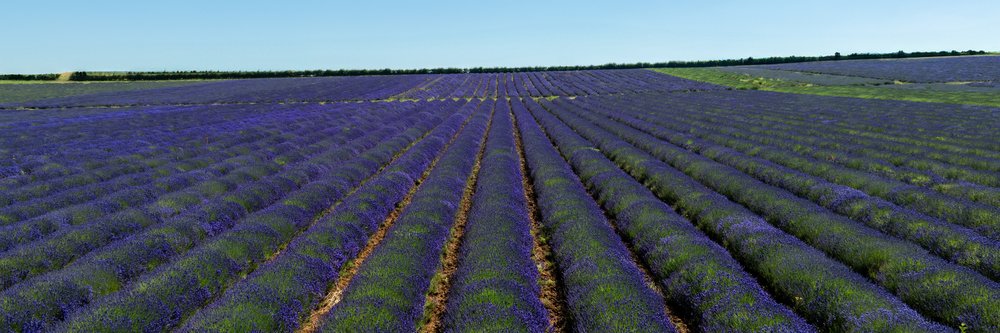
Lavender varieties
There are more than 100 varieties of lavender, and Norfolk Lavender has the national collection; some varieties grown here cannot be found anywhere else in the world.
“Some are grown are for horticultural purposes, which look great in a garden and are sold here to visitors in our plant centre,” explains Maria. “These are different to those grown commercially for higher yields, which are cultivars specifically selected for their oil yields and end markets.
“Then we have Lavandula x intermedia (Lavandin). This is the most widely exported in the world, with great yields, and the fragrance you will most likely smell in a candle or various basic lavender products. It’s the traditional lavender that people know and love.
“We also have Lavandula angustifolia, which, once established, produces excellent oil yields, mainly used for perfume, premium cosmetics and aromatherapy.”
Farming practicalities
The farm operates on an eight-year rotation, with new crops not expected to provide a yield for the first two years. It is from years four to eight that the plants produce the best oil.
“We have a specific harvester for lavender that has been built for us,” Maria says. “However, if anyone is considering growing a lavender crop as a diversification project, then having machinery such as a forage harvester or equipment that can be shared between farmers makes it a more feasible prospect.
“From a farming point of view, it’s important to ensure that the soil is right – lavender does not like heavy clay soils, it much prefers stony or chalky loams and we focus on eradicating any weed burden first – albeit black-grass does cause us issues.”
To make perfumery products, the oil must be separated from the plant material; this is done at the farm by steam distillation. The stills are loaded to capacity with lavender flowers by hand.
Steam generated in the boiler is then passed through the still, which causes the oil in the flowers to vaporise. The oil vapour travels with the steam into the condenser, where it is cooled until it condenses back into liquid. The water and oil are then separated and bottled. The oil must mature for approximately two years before it can be used.
The oil is used in a range of products, including lavender melts and diffusers, as well as Norfolk Lavender’s cosmetic and beauty ranges and food products.
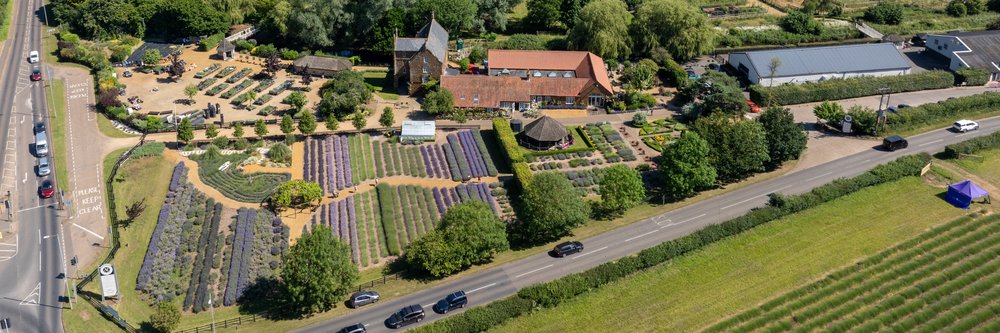
Maria says the versatility of the crop is important. “While lavender is valuable in the bottle as an essential oil, producing our own products and selling those online or in our shop provides considerable added value, and this has been a key part of our business model and success.”
Like many rural businesses, diversification has been important for Norfolk Lavender; there is a farm shop with deli and butchery, gift shop, restaurant, plant centre, herb garden and distillery, as well as tours of the fields in the summer months.
“The story that we tell through the farm shop is important to us and it is a large chunk of the farm’s total turnover, as it draws people in,” says Maria. “The dried lavender from the farm is used in the restaurants for hot meals, cakes and even in our ice creams.
“There is a resurgence of people wanting to come to a farm shop and buy British, local products,” Maria continues, adding that each arm of business diversification is carefully considered.
It is a balancing act of how commercial we become while respecting the great horticultural heritage that is here
Learn more about Maria and the farm in the video below: