Farm reservoirs: why removing the red tape can help food security and climate resilience
Only 34 on-farm reservoirs have been completed in England in the last five years – raising urgent questions about water security. Find out how we’re fighting to remove the barriers to building farm reservoirs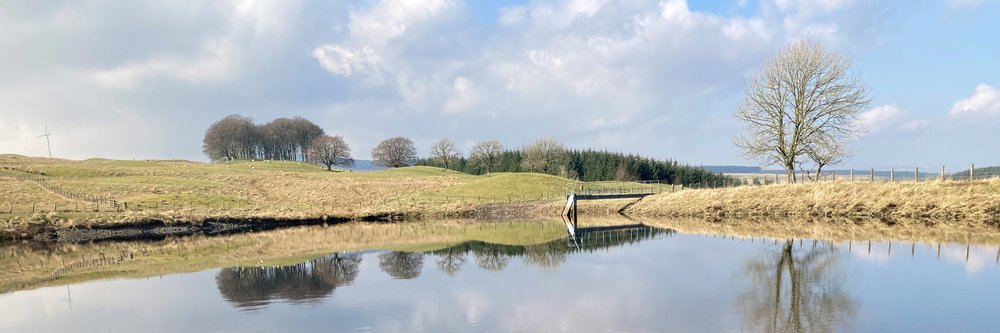
As much of the country experiences another period of hot, dry weather, the importance of water security is once again coming into sharp focus. Climate change is making our summers hotter and drier, and our winters wetter, while also increasing the intensity of rainfall events.
Meanwhile, climate impacts abroad, geopolitical instability and fragile global supply chains mean that the UK cannot rely on other countries to continue producing so many of our fruit and vegetables.
The importance of farm reservoirs
Farm reservoirs are a crucial solution to help farmers adapt to climate change. They store water from wetter winters and sudden downpours for use in irrigation during dry spells. They give farmers and growers confidence to make long-term business investments, improve crop quality and yields, reduce pressure on rivers during dry periods, help manage flood risk and provide valuable wildlife habitats.
In short, they support food production, environmental improvement and investment across the rural economy.
The challenges for farm reservoirs
Yet, despite their effectiveness, farm reservoirs remain stuck behind unnecessary barriers. Only 34 new on-farm reservoirs with above-ground capacity larger than 25,000m³ have been completed in England over the last five years – a drop in the ocean on the scale of need. At a time when the government is rightly focused on climate resilience and food security, that figure points to a system that is simply not keeping pace with the speed and severity of climate impacts.
Building a farm reservoir requires (1) planning consent, whether full planning permission or prior approval, (2) a new abstraction licence, (3) access to capital, and (4) access to the contractors to plan, build and inspect the reservoir.
Farmers face delays and often-prohibitive costs in securing abstraction licences. They must navigate a planning system that frequently lacks specialist knowledge of agricultural development, and involves significant upfront costs before construction can begin. Too often, reservoir projects face lengthy approval processes that add delay, cost, and uncertainty.
Removing the barriers to building farm reservoirs
That is why the CLA was pleased to be invited as a key stakeholder to a recent roundtable hosted by Defra Water Minister Emma Hardy on how to make it easier for farmers to build reservoirs. We used the opportunity to set out practical solutions, particularly on abstraction licencing.
Our recommendations are straightforward:
- On licencing, we have called on Defra to independently review the Environment Agency’s abstraction licensing service to identify improvements that would reduce wait times, deliver a more flexible approach to licencing high-flow water and make licence application fees more proportionate
- On planning, we are working to get a reformed permitted development right for farm reservoirs, replacing the confusing and inconsistent framework that currently exists
- On funding, we are influencing the design for a potential third round of the Water Management Grant, as well as proposing soft loans and improved tax incentives as long-term solutions
The conversation must now continue across government. The CLA is engaging with senior officials at the Ministry of Housing, Communities and Local Government to discuss planning reform, including on permitted development rights.
The solutions are practical and achievable. They would remove barriers, reduce costs and give farmers greater confidence to invest in water infrastructure.
The question now is whether government is prepared to remove the barriers that continue to slow investment in the water infrastructure on which our future food security depends.