Farm diversification ideas and examples: new ways to make your land more profitable
Discover seven ways that you can diversify your farm business in 2026 – learn what grant and funding opportunities are available to help you succeed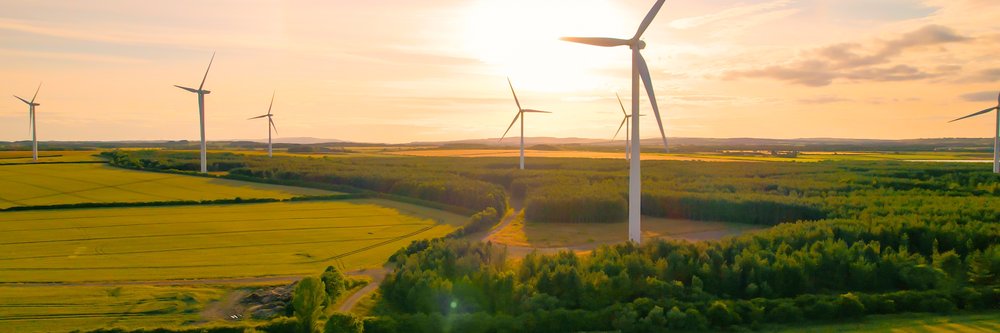
With farming schemes and other economic funding across England and Wales fraught with unpredictability, farmers and landowners are being forced to explore alternative income streams.
Fluctuating farming costs and markets, set against a backdrop of biblical changes in the weather, also mean that profits from traditional land practices are becoming increasingly difficult to find each year.
As a result, for farmers and landowners, diversification has evolved from an optional ‘side project’ into a critical strategy for long-term financial resilience.
Whether it’s finding a new use for redundant farm buildings, exploring the plethora of renewable energy schemes for your land, or exploiting the natural beauty of the rural landscape by tapping into the growing staycation market, diversification allows landowners to de-risk their business.
There is, unsurprisingly, a diverse array of diversification schemes available to landowners and many can attract grants to help you bring new projects to life. These secondary income streams can be a valuable lifeline to help protect the future of the family farm and secure your land for the generations to come.
In this article, we explore how farms and landowners are using diversification, focus on the different types of farm diversification and look at what grants are available. We will also share some new ideas for farm innovation and ask which diversification schemes are the most profitable.
What is farm diversification?
Farm diversification is the practice of branching out from your traditional farming businesses into new business ventures outside of agriculture.
The objective is to find new, profitable uses for your existing assets. This can include your buildings, land, machinery and even the countryside ‘brand’ to create new income streams.
By avoiding putting all your business eggs in one basket, diversification helps to shield the farm from the volatility of agricultural markets and weather events.
Farm diversification is a hugely valuable tool in the modern farming landscape, but you must also remember to be aware of the potential tax impacts. A question you should consider is: will this trigger a business rates liability or impact the availability of inheritance tax reliefs? This means you need to think carefully about how you plan your diversification projects to meet your objectives and seek advice on any tax or other concerns. This will hopefully ensure that the diversification projects can deliver the greatest expected financial returns to help secure the long-term viability of the farm for future generations.
What does diversification on farms look like in the UK?
Diversification has become a mainstream activity, common on farms across England and Wales.
Data from the UK Government shows that 72% of farms in England now generate income from some sort of diversified activity and, while numbers vary, figures suggest at least a third of Welsh farms have also diversified.
This number is growing, and the data also shows that diversification now accounts for 31% of total farm income – an average of £22,400 per farm. Letting out farm buildings accounts for around half of diversification projects, while solar is the next most common, representing 27% of all schemes.
Farms have traditionally been a hub for rural communities and the move to diversification has revived this trend. These include solar or environmental agreements on land that is unproductive or difficult to manage, creating attractive venues for weddings or other events, or providing converted barns and buildings for self-storage schemes.
Ultimately, successful diversification projects are those that prioritise synergy with existing farming practices. For example, unless you are in a position to employ staff who are not involved in farming, your new business should complement the rhythm of the farming calendar rather than clash with it.
The different types of farm diversification
While there is a vast array of diversification options open to farmers and landowners, these projects typically fall into four categories – each with their own capital requirements and risk profiles. These are:
- Renewable energy: The road to net zero means there is huge demand for renewable energy schemes and farms are ideally placed to capitalise on this. Common schemes range from solar farms and wind turbines through to anaerobic digestion plants.
- Tourism and leisure: The British countryside is a popular tourist destination for holidaymakers, both domestically and from abroad, and opportunities exist for farms to take advantage with campsites, glamping, holiday lets or farm tours.
- Retail and food processing: By switching to selling directly to the consumer, farmers can increase their profit margins. The other option is to add value to raw products from the farm, by creating food products that can be sold direct or fed into retailers (e.g., turning milk into cheese or ice cream).
- Commercial and industrial: Repurposing unused farm buildings or other infrastructure for non-farming businesses, such as workshops, offices, or storage.
Are grants available?
Yes, in recent years there have been grants available to those considering farm diversification projects, but the landscape can be highly specific and it is constantly shifting.
In England, funding has been available through the Environmental Land Management (ELM) schemes, Countryside Stewardship capital grant, England Woodland Creation Offer (EWCO), the Farming Equipment and Technology Fund (FETF) and the Rural England Prosperity Fund (REPF). These have proved useful for many CLA members, depending on the aims and objectives of their specific holding. All these schemes, apart from the REPF, are expected to be available in 2026. However, the actions which will be funded may differ to previous iterations and there is no certainty that this funding will be available indefinitely in the future. Farmers and land managers situated in Protected Landscapes have also benefitted from funding through the Farming in Protected Landscapes (FiPL) scheme. This has recently been extended until March 2029.
In Wales, there is a dedicated Agricultural Diversification and Horticulture Scheme as well as other programmes such as the Sustainable Farming Scheme (SFS) and the Woodland Creation Grant which can be used to support potential diversification projects.
Similarly, specific projects like renewable energy or business applications for farm buildings can attract funding support, and the commercial partners who would be involved in these projects may cover some of the upfront costs associated with these major schemes.
Local Authorities and Mayoral Combined Authorities often have funding pots available, aimed at helping people and businesses practice the skills needed for development and economic growth.
In most instances, farmers should be able to access some form of funding support, ranging from grants for planting trees or buying equipment to support diversification projects, through to dedicated grant programmes for the scheme itself.
However, it is important to remember that these grant schemes typically change seasonally and, as we have seen with the Rural England Prosperity Fund, can be subject to change withdrawn completely with little warning. Make sure to check the latest advice from the awarding bodies before committing to investing in a new project.
Ideas for farm diversification
Finding the right diversification project depends on a number of factors, including your location, your assets, local planning rules and your appetite for interacting with the public. As already outlined, it’s also important to consider how any project will fit into the rhythm of the wider farm and how it will impact on the existing business’s day-to-day operations.
Here are a few ideas that are currently seeing a strong return for farmers and landowners:
1) Solar energy
Energy security and ambitious net zero commitments for the UK as a whole means that renewable energy schemes are a top priority. Solar remains one of the top choices for farm diversification projects across England and Wales. Whether its roof-mounted solar panels to help reduce farm energy costs or letting your land for large-scale solar farms on your land, solar is popular as it provides a predictable, long-term income.
2) Holiday lets
Rural retreats will always be popular to holidaymakers and converting redundant cottages or traditional stone barns into high-end holiday lets can yield significantly higher returns per square foot than agricultural use. The key is to make sure you have the right location for attracting holidaymakers and that you are able to secure planning permission.
3) Self-storage
This is the leader in low-effort diversification projects and simply involves using existing hardstanding or clear-span buildings for shipping containers or indoor self-storage. This diversification option is ideal for time-poor farmers as it will require minimal daily management compared to livestock or hospitality.
4) Vending machines (for milk, eggs and meat)
This is another relatively low-effort option as automated retail allows you to sell your products at the farm gate 24/7 without the staffing costs of a full farm shop. Fresh milk vending stations have become particularly popular for building brand loyalty in the local community and there is a growing appetite among consumers for buying local and supporting farming communities.
5) Dog exercise fields
The popularity of dog exercise fields has exploded in recent years and allows pet owners to book secure, high-fenced fields for private use by dog owners. These projects need little in the way of infrastructure and can offer a quick return with high margins.
6) Glamping and ‘off-grid’ retreats
Similar to holiday lets, glamping allows you to monetise the beauty of your rural location. From shepherds’ huts, pods and sheds to yurts and luxury safari tents, glamping can be highly lucrative and it’s often easier to gain planning permission for temporary or semi-permanent structures than for permanent bricks-and-mortar conversions.
7) Natural Capital & Biodiversity Net Gain (BNG)
This is another way of tapping into the move to net zero and is rapidly gaining popularity. This involves selling ‘biodiversity units’ to developers or engaging in carbon sequestration projects for commercial businesses and is another form of environmental diversification. It’s a powerful way of turning unproductive land into profit and taps into the burgeoning green economy. However, it’s worth noting that these agreements typically have a very long lifespan, so proper consideration must be given before signing up to such long-term commitments.
What is the most profitable?
This is the ultimate question for farmers and landowners and, unfortunately, there is no easy answer as there are a number of factors to consider. This can range from your location (whether you are in a tourism hotspot that will attract year-round visitors) to local planning restrictions.
With each diversification option, you’ll need to think about the time you want to spend on the scheme, how it will impact farming operations and how likely it is that the projects will be approved by the relevant authorities.
Ignoring the local nuances, in terms of the diversification projects that are going to deliver the highest returns on investment and stability, farmers should look at four possible options.
The first is solar and renewable energy. This option will generate significant income and, once installed, they cause very little disruption to the core farming business while delivering long-term returns.
Next is holiday lets. If you have the capital and the right location, this is most likely going to deliver the highest returns. But this comes with a catch. Holiday lets will require a high amount of management effort, from looking after bookings to cleaning and maintaining the property after each guest visits.
The third option is direct retail. The returns on this will be high as it gives you direct access to consumers and allows you to charge a premium for your produce over the price you’d get from retailers and wholesalers. However, this option will demand the most in terms of administration effort as it will be a day-to-day operation running, supplying and managing a farm shop.
The final option is one that still delivers a medium to high return but, critically, requires almost no management effort at all allowing you to concentrate purely on farming while collecting a relatively passive income. That option is self-storage.
In summary
The hard reality of modern farming is that the majority of landowners now need to explore diversification options to remain sustainable, now and for the next generation.
However, diversification doesn’t need to take you away from farming and, done right, can complement existing operations and work in tandem with the farm.
From breathing new life into patches of unproductive land to monetising abandoned farm buildings, diversification is now well established as a source of revenue.
Is your land reaching its full potential? If you want to explore your diversification options and understand the possibilities for your farm, get in touch with our team.