Hare Coursing and Poaching: A Persistent Wildlife Crime Priority
Marking this year's National Rural Crime Action Week, Sgt Kevin Jones from Humberside Police's Rural Task Force writes on the Force's work in tackling wildlife crimes in the catchment and further afieldSgt Kevin Jones from Humberside Police's Rural Task Force, also chair of the National Wildlife Crime Unit Hare Coursing and Poaching Tactical Delivery Group reflects on the nature and extent of hare coursing and poaching, how the police deals with such incidents, and what rural residents should do to help in their fight to tackle this scourge.
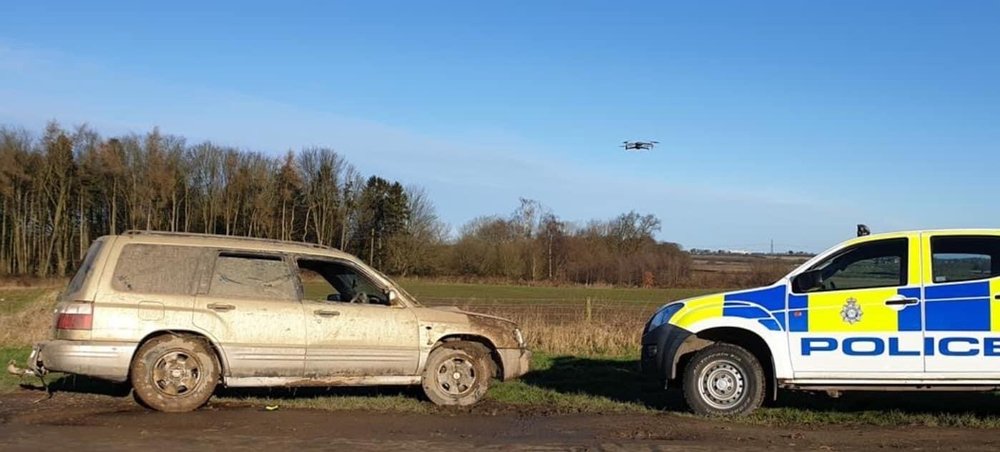
Hare coursing and poaching continue to be recognised as priority wildlife crimes, increasingly characterised by organised criminal behaviour, strategic planning, evolving tactics, and cross-border offending.
Offenders are often linked to organised crime groups that exploit vulnerabilities within rural and farming communities. The consequences are far-reaching, impacting not only protected wildlife but also the safety, wellbeing, and livelihoods of those living and working in the countryside.
These crimes typically involve trespassing on private land to pursue hares with dogs, resulting in acts of extreme cruelty. Offenders frequently engage in threatening, abusive, and intimidating behaviour towards landowners, farmers, and rural residents. Hare coursing is widely regarded as a gateway offence, often preceding more serious crimes such as theft, violence, and domestic abuse.
Although hare coursing is a state-based offence, the voices of rural communities are increasingly being heard in court. The Crown Prosecution Service now regularly requests Community Impact Statements, which help to highlight the broad consequences of these crimes; from financial losses and crop damage to the mental health toll on victims repeatedly targeted by persistent offenders.
Policing wildlife crime presents unique challenges due to the scale and isolation of rural areas. However, recent legislative changes under the Police, Crime, Sentencing and Courts Act, combined with collaborative efforts involving the National Wildlife Crime Unit, regional police forces, and partners such as the Country Land and Business Association (CLA), have significantly strengthened our response. These partnerships enable the sharing of best practices, improved information exchange, and consistent approaches to reporting and enforcement.
Courts are now delivering stronger sentences that reflect the premeditated nature of these offences and their impact on rural communities. Humberside Police secured a conviction in January 2025 resulting in:
- A 16-week custodial sentence (suspended for two years)
- A two-year exclusion order from the East Riding of Yorkshire
- A two-year disqualification from keeping sight hounds
- £234 in fines
In July 2025, an investigation by launched by Lancashire and supported by Humberside led to a five-year Criminal Behaviour Order for a convicted hare courser, demonstrating the effectiveness of cross-force collaboration.
Despite these successes, tackling wildlife crime requires a clear understanding of the problem and engagement from the community. Reporting incidents is essential. Every report helps police identify emerging trends, affected areas, and peak offending times, enabling targeted analysis and problem-solving to deliver an effective policing response.
If you witness suspected hare coursing or poaching in progress:
- Ensure you are in a place of safety and call 999 immediately.
- If safe to do so, provide the What3Words location, descriptions of individuals, dogs, and vehicles (including registration numbers).
- Photographs or videos of suspects, dogs, and vehicles can be invaluable evidence but never put yourself at risk.
Preventative measures
- Install deterrent signage to clearly mark private land and discourage trespassing.
- Consider using wildlife cameras, poacher blocks, or other low-cost physical barriers (e.g. hay bales, trenches, tree trunks).
- Ensure CCTV systems are operational and gates are secured.
Wildlife criminals show no regard for the suffering they cause, or the damage inflicted on rural communities. The strengthened legislation and collaborative policing efforts send a clear message: wildlife crime will not be tolerated.
Humberside Police, the National Wildlife Crime Unit, and partners such as the CLA remain committed to disrupting, deterring, and prosecuting those responsible for these offences.
CLA representation
The CLA’s North Rural Surveyor Emily Richardson attends Humberside Police's Rural Advisor Group which is designed to keep the police accountable for tackling and reducing rural crime in the area. Members in the area (and outside of it) are encouraged to contact the CLA on all matters related to crime, particularly as it helps in our work with police forces across the North and beyond.
CLA Rural Adviser in the South East, Lucy Charman, represents the CLA on the National Rural Crime Network.
Commenting on taking part in this year's National Rural Crime Week, Lucy says: "The CLA is proud to once again be supporting National Rural Crime Action week. We urge all victims of crime to report everything, otherwise the true scale of incidents and trends cannot be understood or resourced appropriately."
“Use 101 if you feel something is ‘not quite right’ – it may just be the missing piece of intelligence to build a proper picture. We can’t fight for extra resources if the actual scale is unknown.”
