Fields of waste: Farmers under siege as fly-tipping hits new levels
East of England a regular dumping ground for criminals, says CLA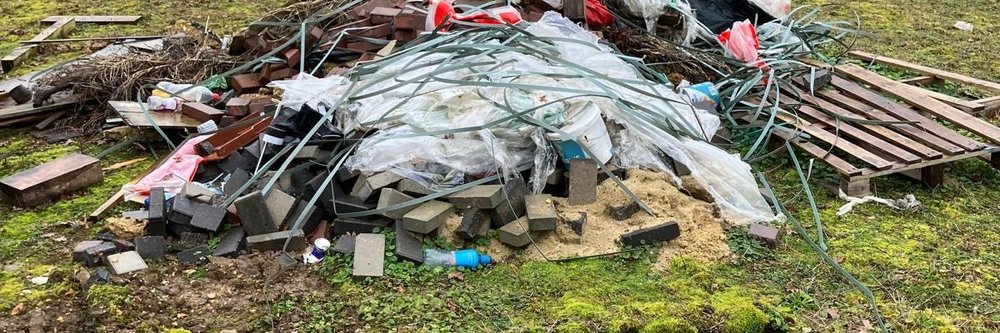
New figures show the East of England continues to be a ‘regular dumping ground for criminals’ as fly-tipping statistics highlight the scale of the issue.
Released today, the figures reveal councils in England dealt with 1.26 million fly-tipping incidents in 2024/2025, an increase of 9% on the previous year. These figures only account for waste illegally dumped on public land that has been reported to the authorities – so the true number of incidents will be far higher.
In the East of England there were 100,727 incidents on public land and in the East Midlands the figure is 100,462.
Many fly-tipping incidents occur on privately-owned land, painting an even more damaging picture of the financial burden and environmental impact fly-tipping brings.
From sofas and fridges to large-scale processed waste, illegal dumpers are turning farmland into rubbish tips — leaving their victims paying to clear up the mess.
The latest figures also show that while local authority actions and fixed penalty notices have increased across England, the number of court fines for fly-tipping has decreased by 9%.
The Country Land and Business Association (CLA) represents farmers and rural businesses across England and Wales.
East Anglian farmer and CLA President Gavin Lane said:
“Farmers and land managers have had enough. The countryside is increasingly being targeted by organised crime gangs who know that rural areas are under-policed and resourced.
“It’s not just litter blotting the landscape, but tonnes of household and commercial waste which can often be hazardous – even including asbestos and chemicals – endangering wildlife, livestock, crops and the environment. Farmers are victims yet have to pay clean-up costs themselves.
CLA East Director Cath Crowther added:
“Fly-tipping incidents in the East are alarmingly common with criminals showing complete disregard for the countryside. Barely a week goes by without me hearing of one of our members being a victim of fly-tipping.
“You never have to look too far to see waste dumped illegally and the latest figures show the East of England continues to be a regular dumping ground for criminals.
“These criminals don’t care about the countryside, wildlife or the human impact of their actions. Frankly, they think they can get away with fly-tipping and today’s stats show there’s not enough of a deterrent.”
The CLA is also calling for:
- The appointment of a national fly-tipping commissioner to co-ordinate agencies, monitor incidents on private land and benchmark enforcement performance.
- The enforcement of fines for businesses and homeowners whose waste is found dumped.
- More support for victims via a new permit scheme to allow farmers who did not cause or knowingly permit the fly-tipping to dispose of it at a waste disposal site free of charge.
A CLA survey found almost three quarters of farmers who responded are affected each year, with some targeted multiple times each month. Each incident costs on average £1,000 to clear up, with 85% saying they have invested in measures such as CCTV, lighting and other security.
Cambridgeshire farmer George Hurrell said:
“Fly-tipping is a constant problem for us with waste frequently dumped in our fields and gateways. We get everything from washing machines, mattresses and builders’ rubble to large scale processed waste.
“Not only is it a hazard for people and wildlife, but we also incur significant costs in having to clear the fly-tipping on our land. If we don’t remove it, we face being prosecuted. How can it be a fair to have a system that punishes those who are victim of a crime?”